Slab leak, hidden pipe leak, underground water loss, or emergency leak detection? Our nationwide network connects you with licensed leak detection specialists — dispatched fast, using acoustic, thermal, and electronic detection methods that pinpoint leaks without unnecessary excavation.
Licensed specialists available in your area
From slab leak detection and underground pipe location to electronic detection and emergency response, our specialist network handles every leak detection scenario across all 50 states.
Professional leak detection identifies water loss in pressurized plumbing systems — supply lines, mains, and slab lines — using acoustic, electronic, and thermal methods. Our specialist network covers every leak type across all property classes and all 50 states.
Leak DetectionWater leak detection locates active water loss in supply lines, branch pipes, and distribution systems before damage compounds. Specialists use pressure testing, acoustic amplification, and thermal imaging to confirm and pinpoint the breach — no guesswork, no exploratory demolition.
Water Leak Detection URGENTPressurized water lines running beneath concrete slabs develop pinhole leaks from corrosion, soil movement, and high water pressure. Electronic amplification, acoustic listening devices, and thermal imaging locate the exact breach point — minimizing concrete cutting and preventing foundation damage.
Slab Leak Detection URGENTUnderground pipe leaks beneath driveways, lawns, and foundations cause soil erosion, sinkholes, and foundation settlement. Tracer gas injection, acoustic correlation, and ground-penetrating radar locate buried leaks in water mains and irrigation systems without disruptive digging.
Underground Leak DetectionHidden leaks inside walls, ceilings, and under flooring go undetected for months while causing mold growth and structural rot. Thermal cameras and acoustic sensors detect moisture migration and pressure loss through finished surfaces — no demolition required to find the source.
Hidden Leak DetectionPipe leak detection isolates the specific section of supply or drain line that has failed — using pressure decay testing, acoustic listening, and flow measurement — so plumbers can access only the compromised segment rather than cutting open entire walls or floors.
Pipe Leak DetectionClimate, soil composition, infrastructure age, plumbing materials, and water pressure all determine which leak types are most likely in your area — and how quickly they escalate without professional detection.
Post-tension slabs are dominant in Texas, Arizona, and California — and they require specialized detection when pressurized supply lines beneath the slab develop leaks. Expansive clay soils in Texas and Oklahoma shift seasonally, placing lateral stress on underground pipes. High municipal water pressure (frequently exceeding 80 PSI) accelerates pipe joint failure across the Sun Belt.
Freeze-thaw cycles are the primary driver of underground pipe failure in cold-climate states. Ground freezing to depths of 4–6 feet in Minnesota, Michigan, and upstate New York causes pipes to crack, shift, and develop pinhole leaks that may not surface until spring thaw. Older housing stock with galvanized or polybutylene plumbing faces elevated leak risk compared to newer PEX installations.
Persistent rainfall and soil saturation in Oregon and Washington create ground conditions where underground pipe corrosion accelerates. Irrigation system leaks are difficult to detect in consistently wet soil. Mountain West properties face freeze-thaw risk at higher elevations while valley areas contend with clay soil movement. Older infrastructure in Seattle, Portland, and Denver neighborhoods increases leak probability.
A pressurized slab leak loses up to 6,000 gallons per day. Underground leaks erode soil and destabilize foundations over months. Our leak detection specialist network is available 24/7 across all 50 states — one call dispatches a licensed professional to your location.
Licensed & insured specialists · All 50 States · 24/7 emergency dispatch
From first call to written detection report — every step in the professional leak detection process, clearly explained so you know exactly what to expect.
One call connects you to our dispatch line. Describe your leak situation and location — rising water bills, wet spots, water pressure drop, or an active emergency — and we identify the right detection method and match you with a licensed specialist available in your area.
Your assigned specialist uses acoustic amplification, electronic ground microphones, thermal imaging, or tracer gas — whichever method is appropriate for your leak type and property — to pinpoint the exact leak location before any excavation or demolition begins.
You receive a written detection report identifying the leak location, estimated water loss rate, and recommended repair approach. Precise location data means targeted access — minimizing concrete cutting, landscape disruption, and repair costs significantly.
Every specialist in our network uses electronic, acoustic, or thermal methods to confirm the leak location before any cutting or excavation. You will not be paying for exploratory demolition — the breach point is located with precision equipment first.
A slab leak in Phoenix behaves differently than a freeze-thaw pipe failure in Minneapolis. Our network specialists understand regional plumbing materials, soil conditions, and leak risk patterns — so detection is calibrated to your specific market.
Leak detection findings — pinpoint location, water loss estimate, detection method used — are documented in a written report. This documentation supports homeowners insurance claims and helps contractors perform targeted, cost-effective repairs.
Our licensed leak detection specialist network covers all 50 states. Select your state for local leak risk profiles, regional plumbing intelligence, and specialist dispatch coverage in your specific area.
Browse top cities by state for local leak detection service information, regional risk data, plumbing infrastructure profiles, and licensed specialist dispatch coverage in your area.
 Slab Leaks
Hot spots on floors, unexplained pressure loss, and rising water bills that never correct — the eight early indicators that a pressurized line beneath your slab is already leaking.
Read Article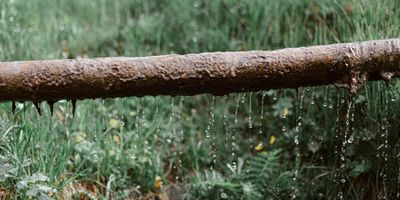 Water Loss
A pinhole leak in a copper supply line wastes 970 gallons per day. A slab leak through a 1/4-inch crack can exceed 6,000 gallons daily. Real water loss rates — by leak type and pipe size.
Read Article Detection Methods
Not every leak responds to the same detection method. Acoustic correlation, infrared thermography, and tracer gas each have distinct applications — here is how specialists choose the right tool.
Read ArticleStraightforward answers to what property owners ask most before calling a leak detection specialist — from detection methods to insurance coverage and timelines.
One call connects you with a licensed, insured leak detection specialist in your area. Acoustic, electronic, or thermal detection — the right method for your leak type — performed by professionals who know your region’s plumbing infrastructure.
Licensed & insured · All 50 States · 24/7 emergency dispatch · Non-invasive detection first
