A leaking water line inside a wall, beneath a floor, or underground can lose hundreds of gallons daily before any visible damage appears. Our specialist network uses pressure testing, acoustic amplification, and thermal imaging to find the breach precisely — no guesswork, no exploratory demolition.
(844) 485-0339 — Call NowLicensed specialists available in your area
(844) 485-0339Water is patient. A pinhole leak in a copper supply line — too small to hear and invisible behind finished drywall — loses approximately 970 gallons per day. Over 30 days, that is 29,100 gallons saturating wall framing, insulation, subfloor, and floor covering. The damage visible at day 30 reflects weeks of progressive saturation, not a single event.
Professional water leak detection identifies the breach before the saturation damage becomes structural. Pressure decay testing isolates which zone of the plumbing system is losing water. Acoustic ground microphones locate the frequency signature of water escaping under pressure. Thermal cameras reveal moisture migration through finished surfaces. Together these methods answer two critical questions: is there an active leak, and exactly where is it?
The detection cost — typically a fraction of the repair cost — is justified entirely by what it prevents: walls opened in the wrong location, foundation sections excavated unnecessarily, and insurance claims complicated by inadequate documentation of the leak source.
A pinhole leak in a 3/4-inch copper supply line loses approximately 970 gallons per day — enough to saturate a 200 sq ft wall cavity in under two weeks.
The specialist pressurizes the plumbing system and monitors pressure over time. A measurable pressure drop confirms active water loss and narrows the search to the specific zone or line segment that is leaking.
Ground-contact microphones and acoustic correlators amplify and locate the frequency signature of water escaping under pressure. The specialist systematically narrows the leak zone until the signal peaks at the exact breach point.
An infrared camera scans walls, floors, and ceilings for temperature differentials caused by moisture migration. Areas with active water movement show distinct thermal signatures through finished surfaces — no access holes required.
The leak location is documented with measurements from fixed reference points. The written report identifies the detection method, water loss estimate, and recommended repair access — ready for your plumber and insurer.
Pressure decay testing is the most reliable method for confirming that a water leak is active — and for isolating which section of the plumbing system is losing water. The specialist closes all fixtures and isolation valves, then monitors the system pressure with a calibrated gauge over a set period. A stable reading confirms the system is intact; a measurable drop confirms active loss.
Zone isolation takes pressure testing further. By closing branch valves one section at a time and monitoring pressure in each zone independently, the specialist identifies which specific run of pipe is losing water. This narrows the detection area before acoustic or thermal equipment is deployed — making subsequent location work faster and more precise.
Combined with acoustic correlation and thermal imaging, pressure decay testing provides a complete picture: confirmation that a leak exists, identification of which pipe section is affected, and precise location of the breach point. The full detection process typically takes 2–4 hours for a residential property and produces a written report that supports both the plumbing repair and the insurance documentation.
One call connects you with a licensed leak detection specialist in your area. Acoustic, electronic, or thermal detection — the right method for your leak type, deployed fast.
Licensed & insured · All 50 States · 24/7 emergency dispatch
Specialists combine pressure testing, acoustic listening, and thermal imaging rather than relying on any single method. Each tool confirms what the others suggest — producing a precise, documented leak location rather than an educated guess.
Every detection appointment includes a written report with the leak location measured from fixed reference points, the detection method used, and the estimated water loss volume — the documentation your insurance adjuster needs to process a claim.
Active water loss situations are prioritized for same-day dispatch. When a supply line is actively losing water, every hour of delay increases total damage scope and total restoration cost.
Our licensed specialist network covers all 50 states. Browse by state for regional leak risk profiles and local specialist dispatch coverage in your area.
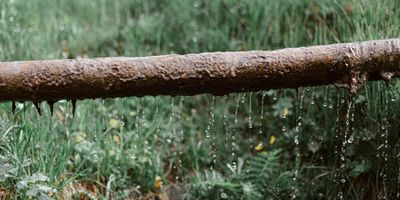 Water Loss
A pinhole leak in a copper supply line wastes 970 gallons per day. Real water loss rates by leak type and pipe size.
Read Article Slab Leaks
The eight early indicators that a pressurized line beneath your slab is already leaking.
Read Article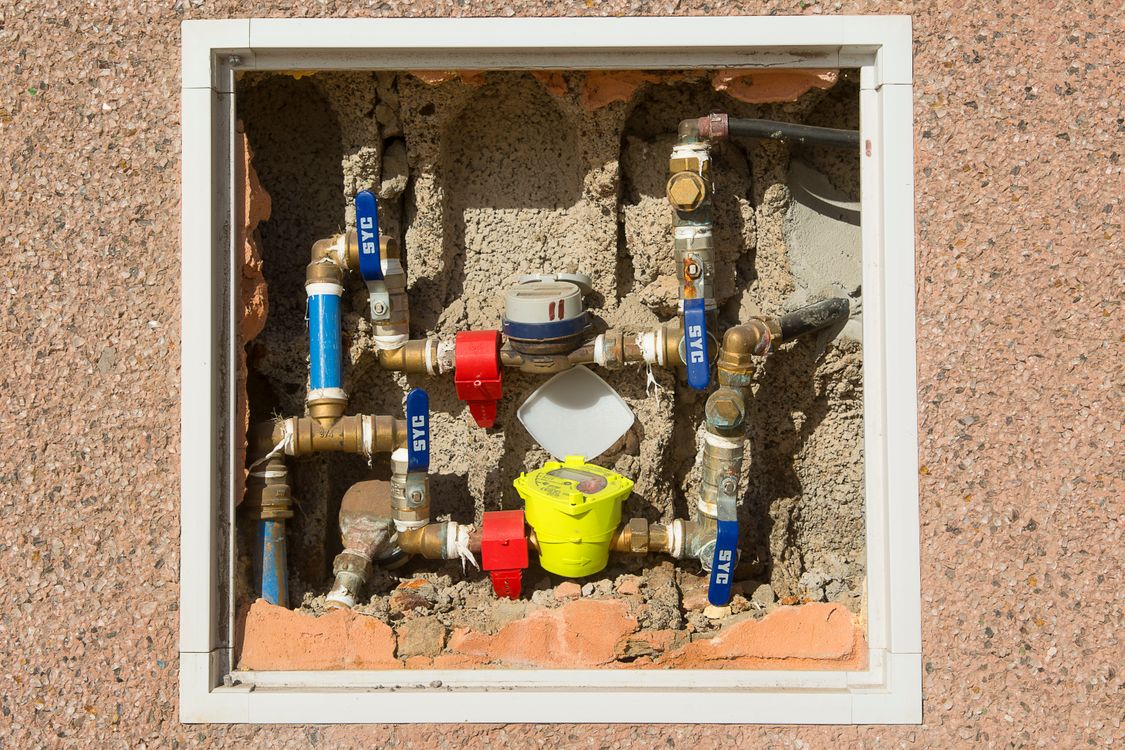 Water Meter
A step-by-step guide to using your water meter to confirm an active leak before calling a detection specialist.
Read ArticleHonest answers to the questions property owners ask most about water leak detection.
One call connects you to a licensed, insured specialist in your area. Non-invasive detection, written report, and professional service handled by specialists who know your region’s leak risks.
Licensed & insured · All 50 states · 24/7 availability · No obligation
