Minnesota has the most extreme freeze conditions of any contiguous US state, but the leak detection challenge is not just winter cold — it is the spring transition. Every year from March through April, the ground rapidly
(844) 485-0339 — 24/7 Emergency DispatchSpeak with a Minnesota leak detection specialist.
(844) 485-0339Underground service line freeze failure
Extremely cold winters (International Falls is the 'Icebox of the Nation'), warm summers. Annual precipitation 20-32 inches. Minneapolis averages -3°F in January.
Minnesota has the deepest frost lines in the contiguous US — in northern Minnesota, ground freezes to 6 feet. Minneapolis-area water mains are buried at 7-8 feet to maintain freeze protection, yet polar vortex events still cause main breaks. Residential service lines at 5-6 feet
Searching for Minnesota leak detection near me or a licensed Minnesota leak detection specialist? Our network covers every zip code — slab, underground, hidden, pipe, and emergency leak detection available statewide.
📞 (844) 485-0339 — Same-Day DispatchThese leak scenarios account for the majority of detection calls across Minnesota — knowing them helps property owners act before a slow leak becomes a costly repair.
Minnesota has the deepest frost lines in the contiguous US — in northern Minnesota, ground freezes to 6 feet. Minneapolis-area water mains are buried at 7-8 feet to maintain freeze protection, yet polar vortex events sti
This is one of the most frequently reported leak scenarios in Minnesota. Non-invasive acoustic and electronic detection can locate it precisely without opening walls or cutting slab.
This is one of the most frequently reported leak scenarios in Minnesota. Non-invasive acoustic and electronic detection can locate it precisely without opening walls or cutting slab.
At 60-72 PSI, Minnesota's typical water pressure accelerates wear on CPVC fittings and older copper joints — high-pressure zones are a primary driver of pinhole leaks in homes over 20 years old.
Expansive soil beneath Minnesota foundations causes seasonal movement that stresses slab-embedded supply lines — often creating slow hot-water leaks that go undetected for months.
Leaks inside wall cavities are invisible until drywall staining, mold growth, or a high water bill reveals them — electronic detection locates these without destructive wall access.
These state-specific factors — soil type, building stock age, and water pressure — are the primary drivers of leak detection calls across Minnesota.
Minnesota has the deepest frost lines in the contiguous US — in northern Minnesota, ground freezes to 6 feet. Minneapolis-area water mains are buried at 7-8 feet to maintain freeze protection, yet polar vortex events still cause main breaks. Residential service lines at 5-6 feet
Median home age is 48 years. Homes containing galvanized (pre-1960), lead (pre-1950 Twin Cities) are reaching or have exceeded their design service life — joint and body failures occur without visible external warning signs.
Operating pressure of 60-72 PSI in Minnesota accelerates wear on CPVC fittings and copper joints — particularly in homes over 20 years old where pipe material has lost its original flexibility.
Month-by-month leak detection demand for Minnesota on a 1-10 composite scale, based on historical leak event frequency and primary climate drivers.
Typical price ranges for common leak detection services in Minnesota. Standard residential properties — commercial and emergency services vary.
Prices are estimates for standard residential leak detection in Minnesota. Actual costs vary by leak type, detection method required, property size, and local rates. Call (844) 485-0339 for an accurate assessment.
Minnesota falls in the Upper Midwest Deep Freeze Zone (Freeze-Thaw Zones) — contributing 20 points to the state leak risk index.
Minneapolis ground frost reaches 6 feet — the deepest in the contiguous US — meaning water mains installed in the 1940s are only marginally below the freeze line in extreme winters.
One call reaches a licensed leak detection specialist in your area of Minnesota. 24/7 dispatch, no obligation.
Licensed & insured specialists · All 50 states · 24/7 availability
Our certified leak detection specialist network covers every county and community across Minnesota.
Leak Detection Crew USA connects property owners with licensed leak detection specialists in every community across Minnesota.
Serving 263+ communities across Minnesota. Don’t see your city? Call us — our network reaches every area of Minnesota.
Answers to the leak detection questions Minnesota property owners ask most, tailored to your region’s specific risk profile.
Expert guides selected for Minnesota’s specific leak risk environment — cost guides, detection methods, insurance guidance, and prevention tips.
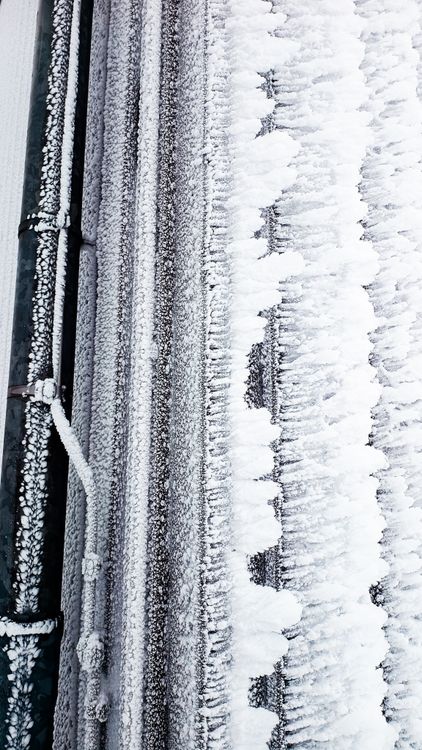 Freeze Guide
Frozen pipes don't always burst immediately — freeze-thaw cycling creates cumulative micro-fractures. See which states are most at risk and how to detect post-freeze damage.
Read Article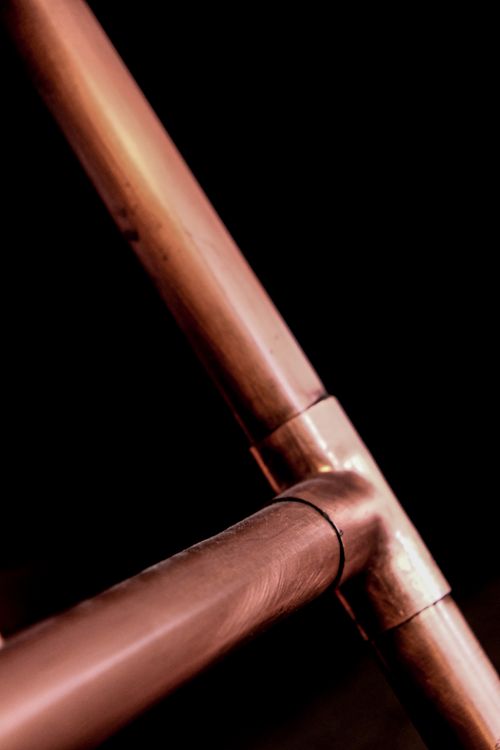 Pipe Guide
Polybutylene, CPVC, galvanized, copper — every pipe material has a distinct leak risk profile and failure age. Identify your home's pipes and what to watch for.
Read Article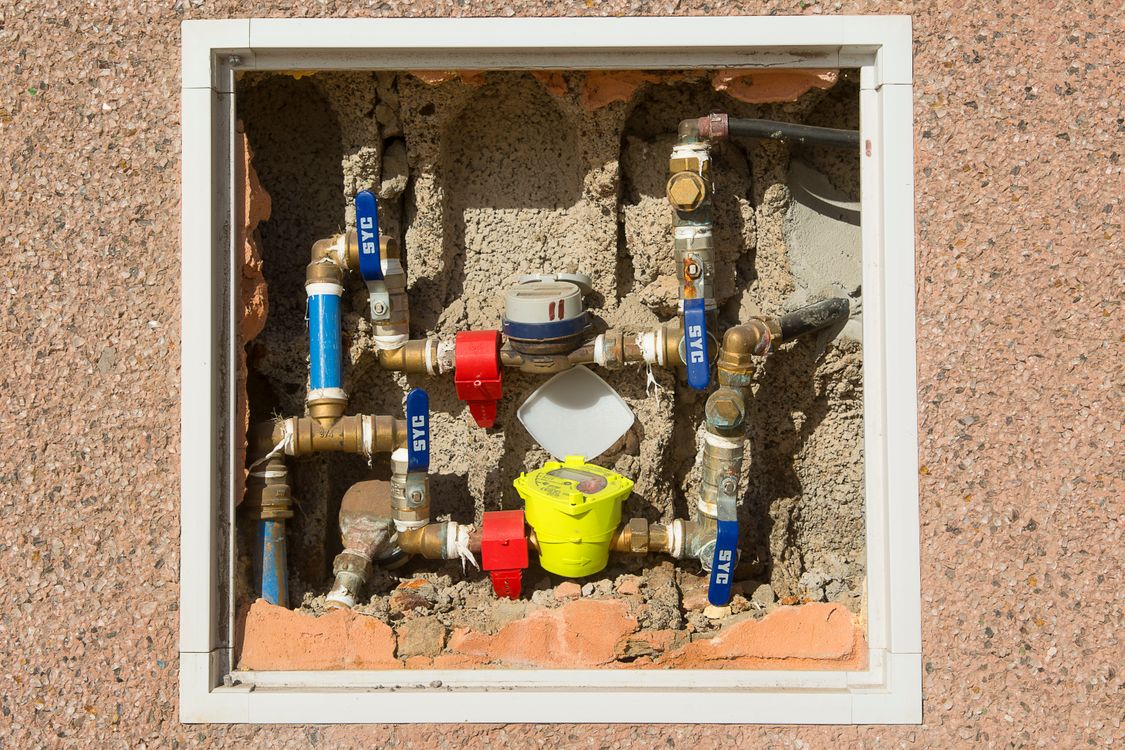 DIY Guide
Your water meter is the fastest free way to confirm a hidden leak. Follow this step-by-step guide to check your meter and know when to call a professional.
Read ArticleOur licensed leak detection specialist network covers Minnesota and every surrounding state — 24/7 emergency dispatch, all regions.
Wisconsin has extreme freeze-related pipe failure risk. Emergency leak detection and post-freeze pipe diagnostics available 24/7 statewide.
Wisconsin Leak Detection Profile →Freeze events in Iowa create the highest per-capita pipe failure rate in the region. Licensed leak detection specialists available 24/7 across all Iowa communities.
Iowa Leak Detection Profile →North Dakota has extreme freeze-related pipe failure risk. Emergency leak detection and post-freeze pipe diagnostics available 24/7 statewide.
North Dakota Leak Detection Profile →South Dakota has extreme freeze-related pipe failure risk. Emergency leak detection and post-freeze pipe diagnostics available 24/7 statewide.
South Dakota Leak Detection Profile →Michigan has extreme freeze-related pipe failure risk. Emergency leak detection and post-freeze pipe diagnostics available 24/7 statewide.
Michigan Leak Detection Profile →One call connects you with the nearest available certified leak detection specialist. Non-invasive methods — we locate the leak before any digging or wall access begins.
Licensed & insured · All 50 states · 24/7 availability · No obligation
