Every undetected leak loses water, damages property, and hides the true source of the problem. Our nationwide network dispatches licensed leak detection specialists using acoustic, electronic, and thermal methods to locate any leak type — precisely, without unnecessary demolition.
(844) 485-0339 — Call NowLicensed specialists available in your area
(844) 485-0339A plumber cannot repair what they cannot locate. Attempting pipe repair without professional leak detection results in exploratory demolition — walls opened, slabs cut, floors removed — based on guesswork rather than data. Professional leak detection eliminates the guesswork entirely.
Modern leak detection specialists use acoustic ground microphones that amplify the sound frequency generated by pressurized water escaping through a pipe breach. Electronic correlators compare signals from two access points to calculate the leak location mathematically. Thermal cameras detect the temperature differential caused by water migrating through building materials. Each method has specific applications — specialists select the right tool based on pipe material, depth, and property access.
The result is a precise leak location — documented in a written detection report — that allows plumbers to make a single targeted cut or excavation rather than opening entire walls or foundations. Detection cost is recovered through the repair savings it enables.
A written detection report documents the exact leak location, method used, and water loss estimate — essential for insurance claims and contractor repairs.
The specialist begins with a property walkthrough and water meter test to confirm active loss, estimate the volume rate, and identify the most likely leak zone based on pressure, pipe layout, and reported symptoms.
Based on the suspected leak type — slab, underground, wall cavity, or main line — the specialist selects the appropriate detection method: acoustic listening, electronic correlation, thermal imaging, or tracer gas injection.
Detection equipment pinpoints the breach location. For acoustic methods, the signal intensity peaks directly above the leak. For thermal cameras, the temperature differential reveals moisture migration paths. The location is marked and documented.
A written report documents the leak location (measurements from fixed reference points), detection method used, estimated water loss rate, and recommended repair access point — ready for your plumber and insurance adjuster.
Acoustic leak detection is the most widely used method for pressurized pipe leaks. Ground-contact microphones amplify the distinctive sound frequency produced when water escapes through a breach under pressure. The specialist moves systematically across the suspected leak zone, listening for signal intensity peaks that identify the exact location. Acoustic methods are most effective on metallic pipes (copper, steel) and perform well on plastic pipes with sufficient water pressure.
Electronic correlation uses two listening sensors placed at access points on either side of the suspected leak zone. The correlator calculates the precise leak location mathematically based on the time delay between the signal arriving at each sensor. This method is particularly effective for buried water mains and long pipe runs where acoustic listening alone would require many access points.
Thermal infrared imaging detects temperature differentials caused by water migrating through building materials. A leaking pipe cools (or warms, depending on line type) the surrounding material — creating a detectable thermal signature visible through finished walls, floors, and ceilings. Thermal cameras are most effective for hidden leaks inside wall cavities and under slab surfaces where acoustic access is limited.
One call connects you with a licensed leak detection specialist in your area. Acoustic, electronic, or thermal detection — the right method for your leak type, deployed fast.
Licensed & insured · All 50 States · 24/7 emergency dispatch
Every specialist confirms the leak location using equipment before any cutting or excavation begins. You will not pay for exploratory demolition when precision detection is the standard approach.
Every detection appointment includes a written report: exact leak location, detection method, water loss estimate. This documentation supports insurance claims and gives plumbers a precise repair target.
Leak behavior varies by region. Clay soil expansion in Texas differs from freeze-thaw pipe failure in Michigan. Our specialists understand the plumbing infrastructure and soil conditions specific to your market.
Our licensed specialist network covers all 50 states. Browse by state for regional leak risk profiles and local specialist dispatch coverage in your area.
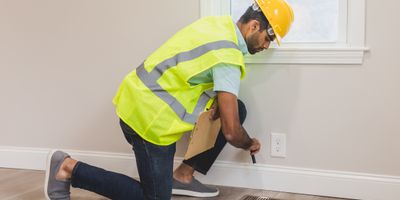 Slab Leaks
Hot spots on floors, unexplained pressure loss, and rising water bills — the eight early indicators that a pressurized line beneath your slab is already leaking.
Read Article Detection Methods
Not every leak responds to the same detection method. Here is how specialists choose the right tool for each scenario.
Read Article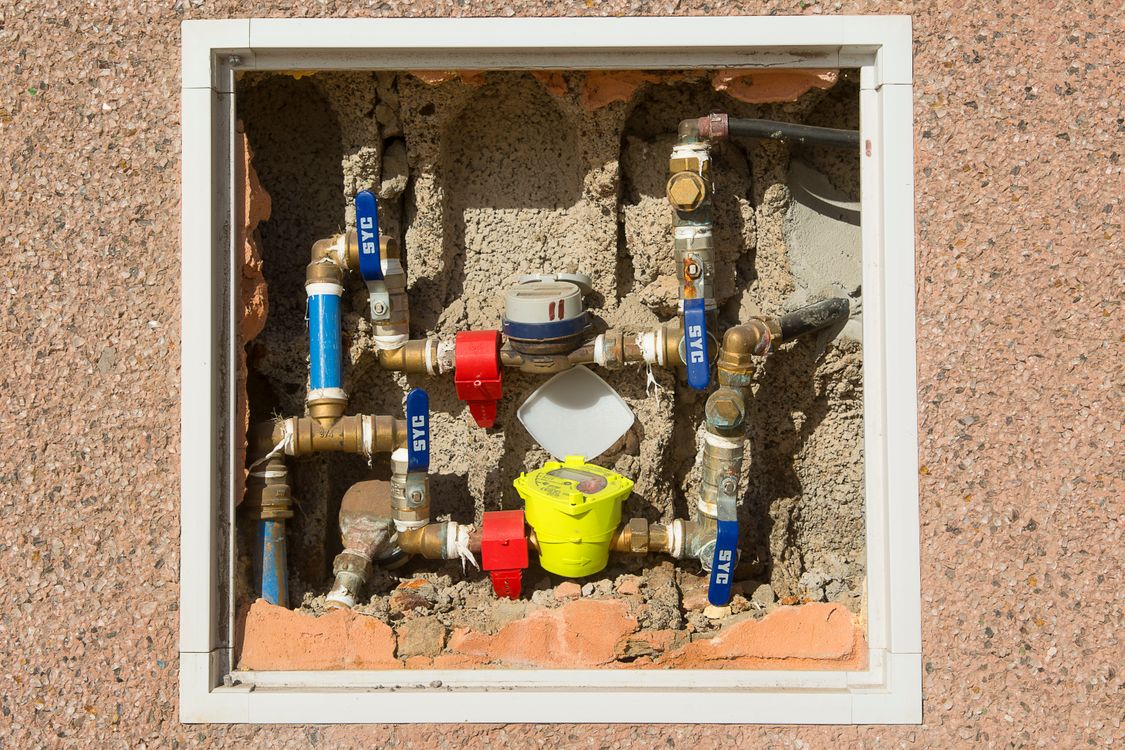 Water Meter
A step-by-step guide to performing a water meter test — the fastest self-check for confirming an active leak before calling a specialist.
Read ArticleHonest answers to the questions property owners ask most about leak detection.
One call connects you to a licensed, insured specialist in your area. Non-invasive detection, written report, and professional service handled by specialists who know your region’s leak risks.
Licensed & insured · All 50 states · 24/7 availability · No obligation
