Knowing a pipe is leaking is not enough. Professional pipe leak detection identifies the specific pipe segment, fitting, or joint that has failed — using pressure decay testing, acoustic listening, and electromagnetic pipe tracing — so plumbers repair one targeted section rather than opening entire walls or floors.
(844) 485-0339 — Call NowLicensed specialists available in your area
(844) 485-0339A plumber dispatched to "fix a leak" without a detection report is operating on assumption. The most common result: exploratory wall access in the wrong area, followed by additional exploratory cuts, followed by a repair in the right location surrounded by unnecessary damage. The total restoration cost — drywall, tile, flooring, paint — dwarfs the cost of the pipe repair itself.
Professional pipe leak detection uses pressure decay testing to isolate which branch of the plumbing system is losing water — supply versus drain, hot versus cold, main versus branch. Acoustic listening then narrows the location to a specific pipe segment. Electromagnetic pipe tracing maps the routing of metallic or sonically tagged PEX pipe through walls and slabs, confirming depth and direction so the plumber knows exactly where to access the failed section.
The written detection report produced at the end of the process gives the plumber three pieces of information: which pipe (material, size, line type), where it has failed (measurements from fixed reference points), and how to access it (wall opening, slab cut, or floor access). That precision translates directly into a smaller repair scope and lower total cost.
Pressure decay testing identifies which specific zone of the plumbing system is losing water — eliminating guesswork before acoustic detection narrows the location to a single pipe segment.
The specialist isolates branches of the supply system using shut-off valves, testing each zone for pressure decay. The zone that loses pressure confirms which pipe branch contains the failure — narrowing the acoustic search area significantly.
Acoustic sensors are placed at access points along the confirmed branch. The leak frequency signature peaks directly adjacent to the failure point — sensors move along the pipe path until maximum signal strength is reached and the location is confirmed.
For metallic pipes or acoustically tagged PEX lines, electromagnetic tracing maps the exact routing through walls, floors, and slabs — confirming pipe depth, direction, and routing before any access is opened.
A written detection report documents the failed pipe segment (material, location, depth), access point coordinates, and estimated repair scope — enabling the plumber to open one precise access point rather than conducting exploratory demolition.
Copper pipe — the most common residential supply material installed from the 1950s through the 1990s — produces a strong, clean acoustic signal at leak points because of its density and sound transmission properties. Copper pipe fails primarily through pinhole corrosion (from aggressive water chemistry) or stress cracking near joints. Acoustic detection on copper achieves high location accuracy, typically within 6–12 inches. The failure mode is usually a single point, making copper pipe leak detection relatively straightforward.
PEX (cross-linked polyethylene) pipe presents a different acoustic challenge. PEX absorbs sound rather than transmitting it efficiently along the pipe wall. Acoustic signals from PEX leaks are lower amplitude and more directional — specialists must use higher-sensitivity sensors and work more slowly. Electromagnetic tracing of PEX requires a tracer wire to have been installed alongside the pipe during construction, or an acoustic signal injected into the pipe at an access point. Where a tracer wire is absent, tracer gas injection is the most reliable location method for PEX leaks inside wall assemblies.
Galvanized steel pipe — common in homes built before 1960 — corrodes from the inside out. The interior oxidation produces debris that accumulates at low points and restricts flow. When galvanized pipe leaks, it typically leaks at multiple points — not a single failure — because the corrosion is systemic. Detection on galvanized pipe often reveals multiple active loss points in the same branch, which changes the repair recommendation from targeted repair to section replacement. Pressure zone testing of galvanized branches will reveal this multi-point failure pattern before the plumber opens any walls.
One call connects you with a licensed leak detection specialist in your area. Acoustic, electronic, or thermal detection — the right method for your leak type, deployed fast.
Licensed & insured · All 50 States · 24/7 emergency dispatch
Our specialists identify the specific pipe, fitting, or joint that has failed — not just the general area. Plumbers receive a precise access point, not an area estimate. One targeted cut versus exploratory demolition.
Every pipe leak detection appointment produces a written report: pipe material, failure location, depth, access point coordinates. Insurance adjusters and plumbers receive the documentation they need to process claims and price repairs accurately.
Copper, PEX, galvanized, polybutylene — each pipe material requires a different detection approach. Our specialists select the right combination of pressure testing, acoustic listening, electromagnetic tracing, or tracer gas based on the specific pipe type and installation conditions.
Our licensed specialist network covers all 50 states. Browse by state for regional leak risk profiles and local specialist dispatch coverage in your area.
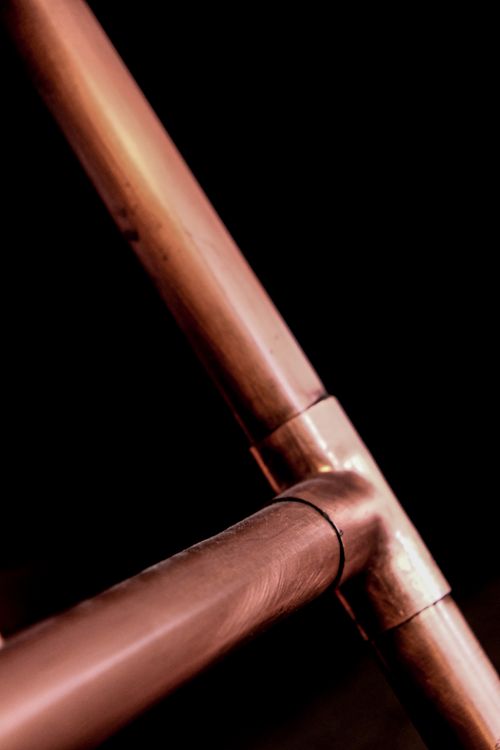 Pipe Materials
Copper, PEX, galvanized, polybutylene — each pipe material has a specific failure mode and risk profile. Here is how to identify what you have and what to watch for.
Read Article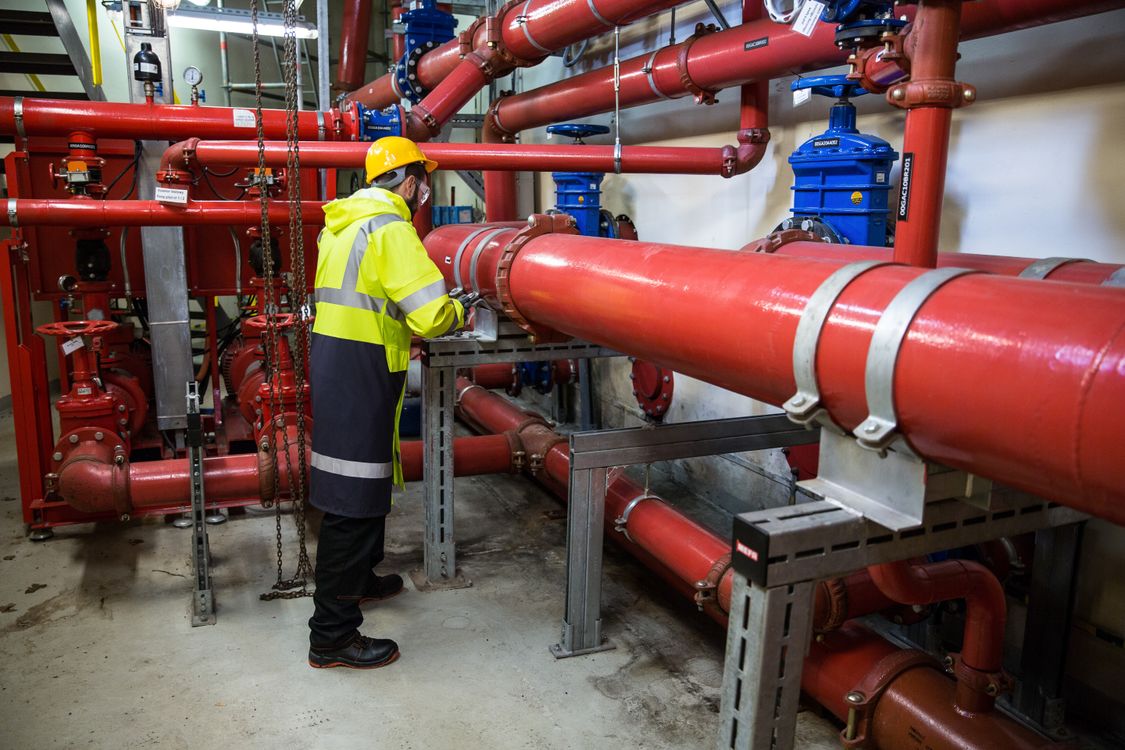 Technology
Acoustic correlators, electromagnetic tracers, and pressure decay equipment — how electronic detection methods locate the exact pipe failure without opening a single wall.
Read Article Water Bills
When the meter test is positive but the source is not obvious, these are the seven pipe failure scenarios most likely to be driving the unexplained usage.
Read ArticleHonest answers to the questions property owners ask most about pipe leak detection.
One call connects you to a licensed, insured specialist in your area. Non-invasive detection, written report, and professional service handled by specialists who know your region’s leak risks.
Licensed & insured · All 50 states · 24/7 availability · No obligation
