A leaking pipe inside a finished wall or beneath a floor can destroy framing, insulation, and subfloor for months before any visible sign appears. Our network deploys thermal infrared cameras and acoustic sensors to locate hidden leaks through finished surfaces — no exploratory demolition, no guesswork.
(844) 485-0339 — Call NowLicensed specialists available in your area
(844) 485-0339Hidden leaks are uniquely destructive not because they lose more water, but because they operate invisibly. A slow seep from a corroded copper fitting inside a bathroom wall loses water into framing, insulation, and subfloor — potentially for months — before moisture migrates to the surface as a stain, soft floor area, or musty smell. By then, structural framing may be compromised and mold colonies established.
Thermal infrared cameras detect the temperature differential created when water migrates through building materials — a cool zone on an interior wall indicates moisture behind the surface. Acoustic sensors detect the frequency signature of water escaping under pressure through finished walls and floor assemblies. Together, these methods allow a specialist to confirm a hidden leak's location and direction of moisture travel without opening a single wall.
The detection report produced at the end of a hidden leak inspection gives the plumber a precise access point — a single targeted wall opening or floor cut rather than an exploratory teardown. This alone typically saves more than the cost of detection in avoided repair and restoration work.
Mold establishes within 24–72 hours of sustained moisture exposure and can colonize inside a wall cavity for months before any visible growth appears on the surface.
The specialist maps the property's plumbing layout, identifies the most likely leak zone based on symptoms, and performs a pressure decay test to confirm an active loss in the suspect branch of the system.
A calibrated thermal camera scans walls, ceilings, and floors in the suspect zone. Moisture-saturated materials appear as temperature anomalies against the ambient surface temperature — the camera maps the moisture migration path from source to surface.
Acoustic sensors are placed against wall surfaces and floor assemblies in the thermal anomaly zone. The frequency signature of pressurized water escaping through a fitting or pipe breach identifies the precise source location within the moisture pattern.
The confirmed leak location is documented with measurements from fixed reference points. The plumber's access point is marked on the wall or floor — one targeted opening, not exploratory demolition.
Thermal infrared cameras detect temperature differences rather than moisture directly. When water escapes from a pipe inside a wall cavity, it saturates the surrounding insulation and framing. The evaporation of moisture cools the surface of the drywall slightly — creating a temperature differential detectable by a calibrated thermal camera. Hot water line leaks create warm anomalies; cold supply line leaks create cool evaporative zones. The camera maps these temperature differences across the wall surface, identifying moisture migration paths that are invisible to the naked eye.
The accuracy of thermal leak detection depends on several conditions. The ambient temperature difference between the interior and exterior of the wall must be sufficient to create a detectable thermal gradient — typically a 10°F difference or greater. Thick drywall, spray foam insulation, or multiple wall assemblies can attenuate the thermal signal. Specialists typically scan during early morning hours when the thermal differential between interior and exterior is most pronounced. For walls with heavy insulation, acoustic confirmation follows thermal imaging to establish the precise source point.
Acoustic detection inside wall assemblies uses sensors pressed directly against the drywall surface rather than floor-contact microphones. The acoustic signature of a small pressurized leak changes as the specialist moves the sensor along the wall — signal intensity peaks directly adjacent to the leak source. Combined with the thermal moisture map, acoustic data allows the specialist to mark a single access point for the plumber — typically a 6–8 inch square opening rather than an entire wall section removal.
One call connects you with a licensed leak detection specialist in your area. Acoustic, electronic, or thermal detection — the right method for your leak type, deployed fast.
Licensed & insured · All 50 States · 24/7 emergency dispatch
Hidden leaks are confirmed using both thermal imaging (moisture mapping) and acoustic detection (precise source location). Two independent methods means a higher confirmation rate and a smaller repair access point.
Every hidden leak detection appointment includes a written report documenting the leak location, moisture extent, and recommended plumber access point — reducing repair scope and restoration costs.
Mold establishes within 24–72 hours of sustained moisture. A rapid specialist dispatch narrows the window between active water loss and confirmed detection — reducing mold remediation scope and associated health risk.
Our licensed specialist network covers all 50 states. Browse by state for regional leak risk profiles and local specialist dispatch coverage in your area.
 Hidden Leaks
Pinhole leaks, slow seeps, and running toilets — the actual daily water loss figures for each hidden leak type and what that means for your water bill and property.
Read Article Slab Leaks
The eight early indicators that a pressurized line beneath your slab is already leaking — from hot floor spots to unexplained pressure loss.
Read Article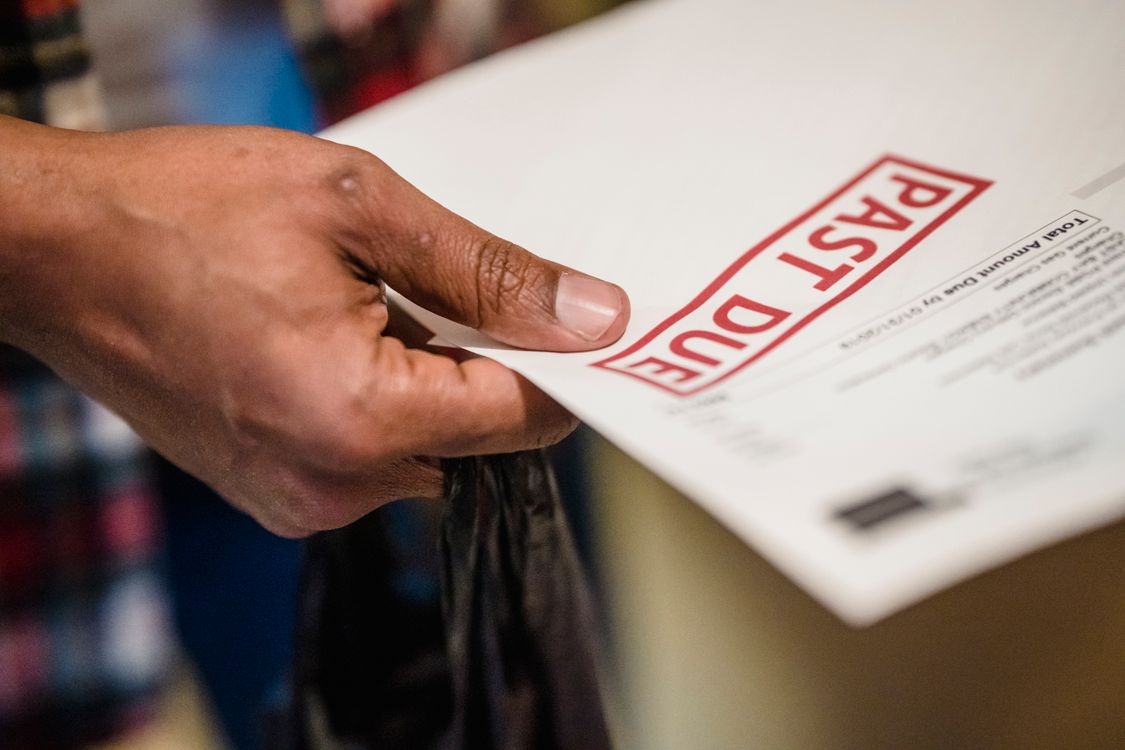 Water Bills
A high water bill is the first sign of a hidden leak in most cases. Here are the seven most common hidden leak sources and how to confirm which one you have.
Read ArticleHonest answers to the questions property owners ask most about hidden leak detection.
One call connects you to a licensed, insured specialist in your area. Non-invasive detection, written report, and professional service handled by specialists who know your region’s leak risks.
Licensed & insured · All 50 states · 24/7 availability · No obligation
