A sudden pressure drop, audible water rushing inside a slab, or complete pressure loss at all fixtures is an emergency — not a situation to schedule a week out. Our nationwide network dispatches licensed emergency leak detection specialists around the clock to locate the breach fast and stop the loss.
(844) 485-0339 — Call NowLicensed specialists available in your area
(844) 485-0339Not every water leak is an emergency. A slow pinhole leak in a wall cavity, a toilet flapper seeping overnight, a dripping faucet — these are problems that can be investigated and repaired on a standard schedule. An emergency leak is different: it involves active, high-volume water loss that is causing immediate damage, creating flooding risk, or has eliminated water service to the property entirely.
Emergency leak scenarios that require immediate dispatch include: complete pressure loss at all fixtures (main supply line failure or catastrophic breach), audible rushing water inside a slab or wall with no fixture running, active water pooling on floors from a concealed source, a municipal emergency shutoff triggered by abnormal usage, and post-freeze pipe failures where multiple breaks occur simultaneously. In all of these cases, every hour without confirmed location and shut-in increases the damage scope exponentially.
Emergency leak detection uses the same equipment as standard detection — acoustic listening, pressure isolation, thermal imaging — but deployed with urgency and adapted to high-stress conditions. The priority is first confirming the loss source zone (main vs. branch, slab vs. wall, interior vs. underground) and isolating it if possible, then locating the specific breach for emergency repair.
In an active slab leak or main line failure, every hour of undetected water loss can mean thousands of gallons entering the building structure — escalating repair and restoration scope rapidly.
On your call, the dispatch specialist asks targeted questions to establish the emergency type — pressure loss, active pooling, slab sound, or freeze damage — and confirms coverage in your area. A licensed specialist is dispatched immediately with emergency detection equipment.
The arriving specialist's first action is confirming which supply zone is the loss source using shut-off valve isolation. If the loss zone can be isolated — cutting water to the affected section — service to the rest of the property may be restored while detection proceeds.
Acoustic equipment identifies the breach location within the confirmed loss zone. In slab emergencies, ground microphones are placed systematically across the slab surface. In wall emergencies, sensors are placed at all accessible points along the suspected pipe run. Pressure decay testing confirms the location.
An emergency detection report documents the breach location, isolation status, and water loss estimate. The specialist coordinates directly with an emergency plumber where possible to enable same-session repair of confirmed breach points.
Slab leak emergencies are the most common after-hours detection call. The scenario typically begins with a homeowner discovering a warm, wet area on the floor or hearing rushing water beneath the slab with no fixtures running. The specialist arrives and immediately performs a water meter and pressure test to confirm the slab is the loss source, then systematically places ground microphones across the slab surface to locate the breach. In post-tension slabs — common in Texas, Arizona, and California — the specialist identifies cable locations before marking any cut point to prevent cable damage during plumber access.
Freeze damage emergencies are most common in the 24–72 hour window following a rapid temperature increase after a hard freeze. When pipes that froze during the cold event begin to thaw, the ice that was plugging the crack melts — and the pressure surge through the now-open breach creates an immediate active loss situation. Post-freeze emergencies frequently involve multiple failure points in the same pipe run, which means the detection process must identify all active breaches before repair begins. A single-point repair in a multi-failure scenario will leave remaining active leaks in place.
Main supply line emergencies — whether from age failure, vehicle impact on a meter box, or corrosion-induced collapse — result in complete pressure loss and, in some cases, active flooding if the line fails in a location where water can enter the structure. The emergency specialist's first action is confirming the main shutoff location and operation, isolating the property from municipal pressure, then performing acoustic or tracer gas detection to locate the breach on the buried service line. The detection report gives emergency plumbers the exact excavation target — minimizing the time between detection and repair.
One call connects you with a licensed leak detection specialist in your area. Acoustic, electronic, or thermal detection — the right method for your leak type, deployed fast.
Licensed & insured · All 50 States · 24/7 emergency dispatch
Active leak emergencies do not follow business hours. Our network maintains 24/7 dispatch availability across all 50 states — specialists are dispatched for confirmed emergency scenarios around the clock.
Emergency specialists prioritize stopping active water loss before detection begins. Zone isolation through shut-off valves limits structural saturation while the breach location is confirmed — reducing total damage scope.
An emergency detection report documents the event timeline, breach location, isolation status, and water loss estimate — ready for your insurance adjuster's immediate review and claim initiation.
Our licensed specialist network covers all 50 states. Browse by state for regional leak risk profiles and local specialist dispatch coverage in your area.
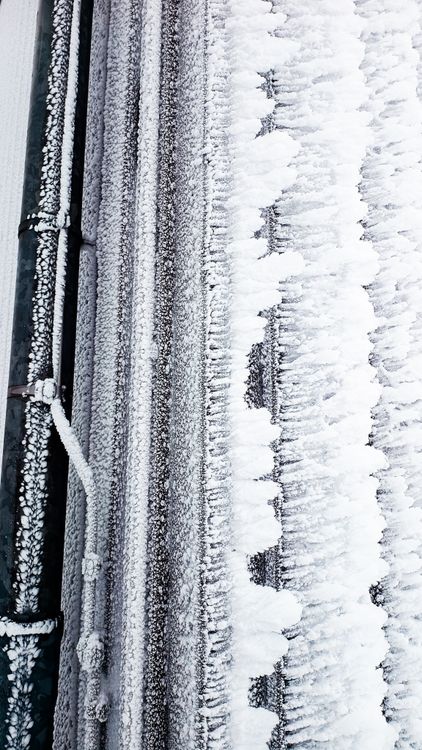 Freeze Damage
When pipes freeze and then thaw, the resulting breach can cause catastrophic water loss. Here is which states are most at risk and what the failure pattern looks like.
Read Article Slab Leaks
The eight indicators that a pressurized slab line is already active — before it becomes a full emergency.
Read Article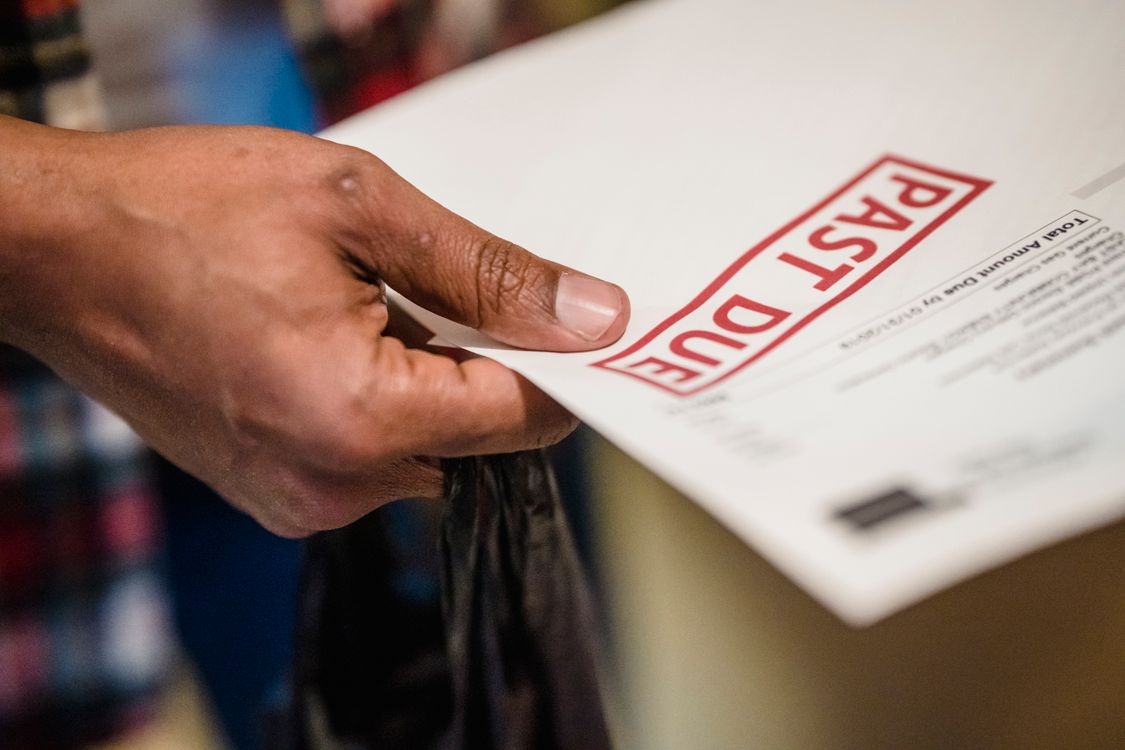 Water Bills
A high water bill is often the first measurable sign of an active leak — before the emergency symptoms appear. Here are the seven scenarios driving unexplained usage.
Read ArticleHonest answers to the questions property owners ask most about emergency leak detection.
One call connects you to a licensed, insured specialist in your area. Non-invasive detection, written report, and professional service handled by specialists who know your region’s leak risks.
Licensed & insured · All 50 states · 24/7 availability · No obligation
