St. Louis County — Minnesota

Leak Detection in Virginia, Minnesota

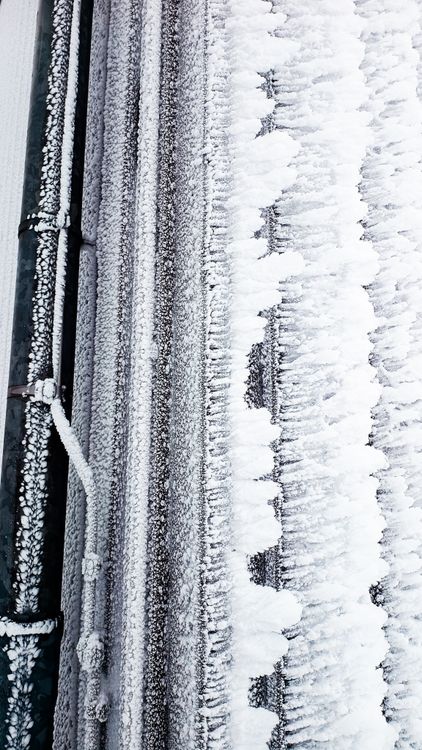
Licensed specialists serving Virginia, Minnesota homeowners. Freeze-thaw cycles in Virginia stress supply lines in crawlspaces, exterior walls, and buried runs. Micro-fractures from past freeze events often leak slowly for months before symptoms appear. Professional leak detection confirms whether past cold weather damaged your plumbing before the next billing cycle reveals it. Available 24/7 for emergency response.

💧 Licensed Specialists ⚡ 24/7 Emergency 🔍 Non-Invasive Methods 📋 Pinpoint Accuracy
Virginia, MN Leak Risk Profile
Leak Risk Index 8/10
Freeze Risk Extreme (10/10)
Soil Movement Moderate (5/10)
Water Pressure High (7/10)
Infra Age Risk Moderate (5/10)
Emergency Line 24/7 Active

Serving Virginia and St. Louis County

Hidden leaks in Virginia can go undetected for months while water waste and structural moisture accumulate behind walls and beneath floors. St. Louis County property owners who notice unexplained increases in their water bill, warm or wet spots on floors, or damp odors without a visible source should schedule professional leak detection before the damage scope widens.

In St. Louis County, freeze exposure scores 10/10, soil movement scores 5/10, and infrastructure age scores 5/10. These combined factors shape the leak risk profile for Virginia properties — and determine which detection methods are most effective for local conditions.
Virginia Property Leak Risk Assessment

Understanding the leak risks specific to St. Louis County helps property owners recognize early warning signs and act before a small leak becomes a costly structural problem.

🏠

Foundation Crack from Soil Saturation

Slab leaks that go undetected long enough will saturate the soil beneath the foundation in Virginia. Saturated clay soil loses load-bearing capacity and allows differential foundation settlement — producing cracks in drywall, sticking doors, and visible foundation movement. By this stage, the leak has been running for months.

Watch for: Watch for new drywall cracks above doors and windows that appear without impact damage

🏠

Soil Void Formation Under Foundation

Underground leaks in St. Louis County erode soil voids beneath foundations over time. Clay soil that loses moisture to a leaking pipe below contracts and settles, creating uneven support beneath the slab. Virginia homeowners with foundation movement and no visible surface leak should suspect an underground pipe failure beneath or near the foundation.

Watch for: Watch for new foundation cracks or sticking doors combined with unexplained water usage

⛏️

Underground Service Line Failure

The buried service line connecting Virginia homes to the municipal water main runs through the same expansive clay soil as the slab. Soil movement in St. Louis County stresses the service line at joints and directional changes. A service line leak produces the same meter activity as a slab leak but is located outside the foundation.

Watch for: Watch for wet spots in the yard between the meter box and the foundation

🔧

Copper Line Corrosion in Concrete

Copper supply lines embedded in St. Louis County's alkaline concrete are exposed to a corrosive environment at contact points. Over time, pitting corrosion creates pinhole failures in the pipe wall. In Virginia's older slab-on-grade construction, corrosion-driven slab leaks are as common as soil movement-driven failures.

Watch for: Watch for discolored water or reduced hot water flow as early corrosion indicators

💰

Unexplained Water Bill Increase

A slab leak loses water 24 hours a day regardless of household usage. In Virginia, a moderate slab leak can add hundreds of gallons per day to water consumption — producing a bill increase that arrives before any visible damage. If your water usage increased without a clear explanation, professional leak detection should be the first step.

Watch for: Watch for water bill increases that persist for multiple billing cycles in Virginia

💧

Crawlspace Condensation and Drip Leaks

In St. Louis County, crawlspace plumbing is exposed to temperature swings that cause condensation-related corrosion and slow drip failures at fitting connections. These leaks develop gradually and cause wood rot and mold in floor joist assemblies before they become large enough to affect water pressure.

Watch for: Watch for musty odor or soft flooring spots above the crawlspace in Virginia homes

Virginia Leak Detection Services

Licensed leak detection specialists serving Virginia and St. Louis County use non-invasive methods across all leak types — from slab leaks and underground pipe failures to hidden wall leaks and emergency responses.

🚨

Emergency Leak Detection in Virginia

Emergency leak detection responds to active water loss events — unexplained pressure drops, sudden spikes in water usage, and structural wet spots. Specialists dispatch rapidly to identify the source and stop ongoing damage.

Learn More →
🔧

Pipe Leak Detection in Virginia

Professional pipe leak detection covers copper, galvanized, CPVC, PEX, and polybutylene supply lines. Acoustic and electronic methods locate the leak segment accurately before any pipe access is required.

Learn More →
⛏️

Underground Leak Detection in Virginia

Underground leak detection identifies the precise location of breaches in buried supply lines, irrigation mains, and service connections. Non-invasive equipment pinpoints the source without unnecessary digging.

Learn More →
📡

Electronic Leak Detection in Virginia

Electronic leak detection uses acoustic amplifiers and pipe correlators to locate leaks in pressurized water lines without breaking walls or digging. Sound analysis identifies the leak location within inches.

Learn More →
🔎

Hidden Leak Detection in Virginia

Thermal imaging and acoustic detection find hidden leaks in wall cavities, ceiling assemblies, and subfloor spaces — non-invasively. Specialists document the moisture extent before recommending targeted access points.

Learn More →
🚿

Water Leak Detection in Virginia

Water leak detection services cover all plumbing zones — from meter to fixture. Specialists document the leak location and pressure loss before recommending a targeted repair approach.

Learn More →

Virginia Leak Detection Process

Professional leak detection in Virginia follows a structured process — from initial meter test through confirmed location report — so repair work is targeted, not exploratory.

1

Call & Dispatch

Call (844) 485-0339 to reach a dispatcher who connects you with a licensed leak detection specialist in Virginia. Available 24/7 for emergency response throughout St. Louis County.

2

Initial Assessment

The specialist reviews your symptoms — water bill history, meter activity, visible signs — and identifies the most likely leak zones in your St. Louis County property before equipment is deployed.

3

Meter & Pressure Test

A meter isolation test confirms active water loss and quantifies the leak rate. Pressure testing isolates the affected supply zone — narrowing the detection area before acoustic or thermal scanning begins.

4

Non-Invasive Detection

In Virginia's cold climate, freeze-damaged supply lines often require acoustic isolation testing to confirm which segment was affected. Specialists identify the compromised zone before any pipe access or repair begins.

5

Leak Location Report

The specialist documents the confirmed leak location with measurements, depth estimates, and recommended access points. Virginia homeowners receive a clear report before any repair contractor is engaged.

6

Repair Referral & Follow-Up

Once the leak is located, we connect you with a licensed plumber or repair contractor in St. Louis County. A post-repair leak check confirms the source has been resolved and no secondary leaks remain.

Call (844) 485-0339 No obligation · Available 24/7 in Virginia

Leak Detection vs Guessing in Virginia, Minnesota

In Virginia, freeze events create pipe damage that isn't always immediately visible. A supply line that sustained micro-fractures during a cold snap may hold pressure for days before the fracture propagates into a steady leak. Without professional detection, St. Louis County homeowners often don't discover the damage until the next billing cycle — by which time the leak has been running for weeks.

Professional detection in Virginia eliminates guesswork from the repair process. Without knowing the exact leak location, plumbers must open multiple access points or make educated guesses about pipe routing. A confirmed detection report gives the repair contractor a precise target — reducing labor time, repair scope, and total cost for St. Louis County homeowners.

Specialists serving Virginia rely on acoustic correlation, thermal imaging, and electronic tracing — none of which require opening a wall, lifting a floor, or digging a trench to confirm a leak location. The resulting report sends the repair contractor straight to the source, which for St. Louis County homeowners means less disruption and a faster fix.

Schedule Your Virginia Leak Detection

Every day a hidden leak runs undetected in Virginia, water waste increases and structural moisture accumulates behind walls, beneath floors, and under the foundation. Non-invasive detection locates the source so repair can be targeted — protecting your property and your water bill.

Frequently Asked Questions — Virginia Leak Detection

Leak Risks & Pipe Profile in Minnesota

Key facts Virginia homeowners should know about local plumbing vulnerabilities and the most common leak types before a problem develops.

Property Vulnerability Factors

  • Aging galvanized pipe in Twin Cities pre-war neighborhoods

  • Spring thaw water main break pressure surges

  • Basement freeze-related water intrusion

  • Service line freeze at marginal burial depth

Pipe & Leak Profile

Most Common Leak Type

Underground service line freeze failure

Secondary Leak Type

Water main break from polar vortex events and aging cast iron

Peak Season

January-March (peak freeze); March-April (spring thaw reveals damage)

Legacy Pipe Risk

galvanized (pre-1960), lead (pre-1950 Twin Cities)

Leak Detection Resources for Virginia Homeowners

Expert leak detection guides relevant to the conditions Virginia property owners face — from reading your water meter to understanding slab leaks, pipe materials, and insurance coverage.

Leak Detection Service Area — Virginia, Minnesota

We serve Virginia and surrounding communities throughout Minnesota. View our local coverage area below.

ZIP Codes Served: 55792, 55777

Cities Near Virginia We Also Serve

Our leak detection network serves Virginia and communities throughout Minnesota. Click any city to see local leak detection service information.