Benton County — Minnesota

Leak Detection in Rice, Minnesota

Licensed specialists serving Rice, Minnesota homeowners. Freeze-thaw cycles in Rice stress supply lines in crawlspaces, exterior walls, and buried runs. Micro-fractures from past freeze events often leak slowly for months before symptoms appear. Professional leak detection confirms whether past cold weather damaged your plumbing before the next billing cycle reveals it. Available 24/7 for emergency response.

💧 Licensed Specialists ⚡ 24/7 Emergency 🔍 Non-Invasive Methods 📋 Pinpoint Accuracy
Rice, MN Leak Risk Profile
Leak Risk Index 8/10
Freeze Risk Extreme (10/10)
Soil Movement Moderate (5/10)
Water Pressure High (7/10)
Infra Age Risk Moderate (5/10)
Emergency Line 24/7 Active

Serving Rice and Benton County

Benton County's severe winters make freeze-related pipe damage the leading cause of hidden leaks in Rice. Pipes in crawlspaces, garages, and exterior walls are most vulnerable — but the leak often doesn't become visible until the pipe thaws or begins to fail weeks later. Professional leak detection can confirm whether a past freeze event damaged your supply lines before that damage becomes a costly water event.

In Benton County, freeze exposure scores 10/10, soil movement scores 5/10, and infrastructure age scores 5/10. These combined factors shape the leak risk profile for Rice properties — and determine which detection methods are most effective for local conditions.
Rice Property Leak Risk Assessment

Understanding the leak risks specific to Benton County helps property owners recognize early warning signs and act before a small leak becomes a costly structural problem.

💧

Crawlspace Condensation and Drip Leaks

In Benton County, crawlspace plumbing is exposed to temperature swings that cause condensation-related corrosion and slow drip failures at fitting connections. These leaks develop gradually and cause wood rot and mold in floor joist assemblies before they become large enough to affect water pressure.

Watch for: Watch for musty odor or soft flooring spots above the crawlspace in Rice homes

Freeze-Thaw Micro-Fracture Damage

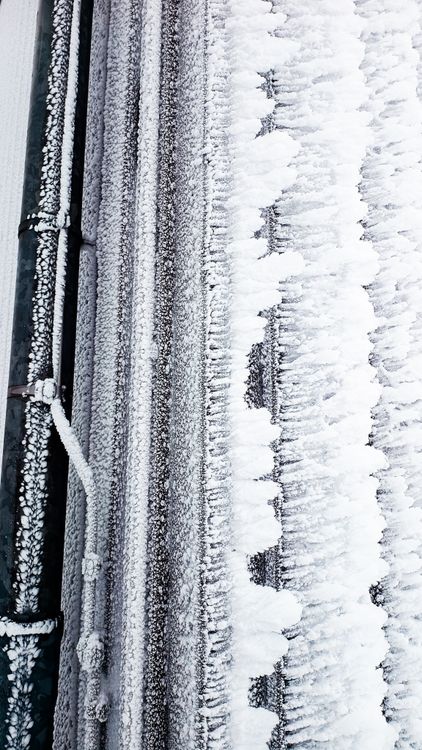
Pipes that survive a freeze without bursting may still sustain micro-fractures from the expansion stress. These fractures develop into slow leaks during subsequent warm periods. Rice homes with copper or galvanized supply lines near exterior walls are most vulnerable to this progressive failure pattern.

Watch for: Watch for slowly increasing water bills in the weeks following a freeze event

⛏️

Underground Service Line Failure

The buried service line connecting Rice homes to the municipal water main runs through the same expansive clay soil as the slab. Soil movement in Benton County stresses the service line at joints and directional changes. A service line leak produces the same meter activity as a slab leak but is located outside the foundation.

Watch for: Watch for wet spots in the yard between the meter box and the foundation

🔧

Supply Line Joint Stress

Repeated freeze-thaw cycling loosens threaded and soldered joints in supply lines throughout Rice homes. A joint that leaks only under pressure may pass visual inspection between events. Professional acoustic detection during the leak event is the most reliable way to locate joint failures in Benton County.

Watch for: Watch for intermittent pressure drops that seem to resolve on their own

📊

Water Meter Activity After Thaw

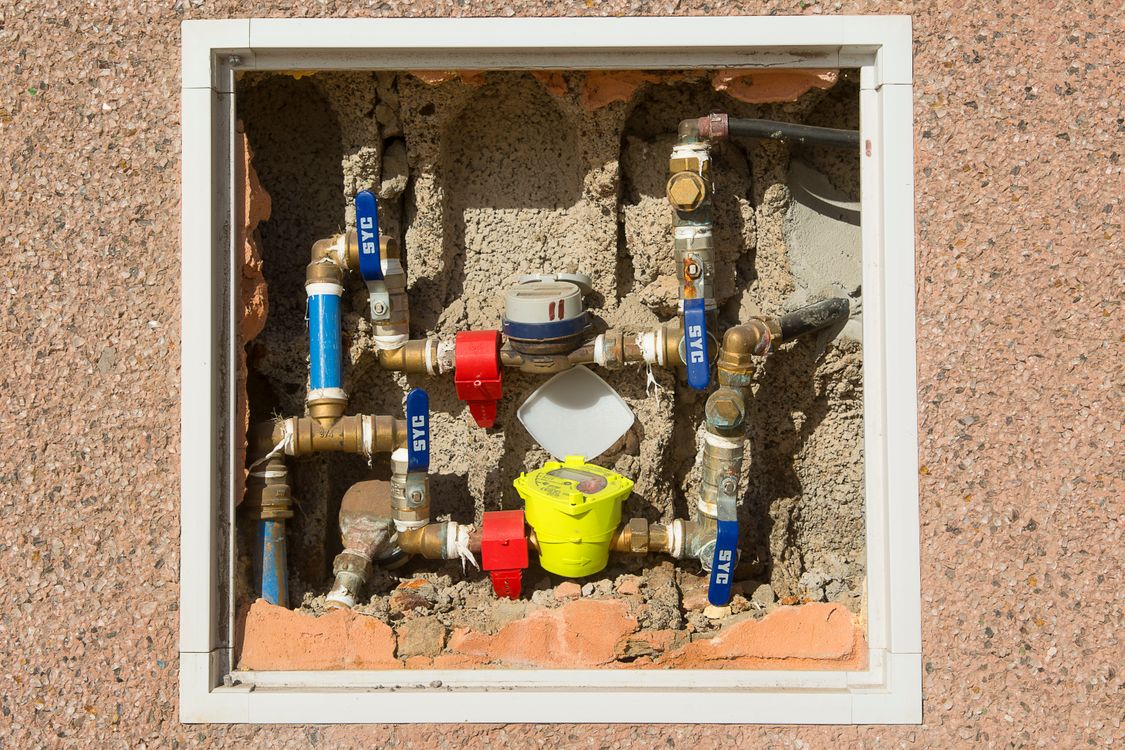
One of the most reliable post-freeze leak indicators in Rice is unexpected water meter activity after a freeze event. If your meter shows movement with all fixtures off, a supply line breach is almost certainly present — even if no visible water has appeared yet.

Watch for: Watch for the meter dial moving with all fixtures fully closed after any freeze

📊

Running Meter with No Visible Leak

A water meter that shows movement with all fixtures off is the most reliable early indicator of a slab leak in Rice. Because the leak is beneath the concrete, no surface water appears until the breach is large enough to saturate the slab. A meter test takes five minutes and can confirm a leak long before visible damage appears.

Watch for: Watch for the meter dial moving with all fixtures turned off in your Benton County home

Rice Leak Detection Services

Licensed leak detection specialists serving Rice and Benton County use non-invasive methods across all leak types — from slab leaks and underground pipe failures to hidden wall leaks and emergency responses.

⛏️

Underground Leak Detection in Rice

Underground leak detection identifies the precise location of breaches in buried supply lines, irrigation mains, and service connections. Non-invasive equipment pinpoints the source without unnecessary digging.

Learn More →
📡

Electronic Leak Detection in Rice

Electronic leak detection uses acoustic amplifiers and pipe correlators to locate leaks in pressurized water lines without breaking walls or digging. Sound analysis identifies the leak location within inches.

Learn More →
🔎

Hidden Leak Detection in Rice

Thermal imaging and acoustic detection find hidden leaks in wall cavities, ceiling assemblies, and subfloor spaces — non-invasively. Specialists document the moisture extent before recommending targeted access points.

Learn More →
🚿

Water Leak Detection in Rice

Water leak detection services cover all plumbing zones — from meter to fixture. Specialists document the leak location and pressure loss before recommending a targeted repair approach.

Learn More →
🚨

Emergency Leak Detection in Rice

Emergency leak detection responds to active water loss events — unexplained pressure drops, sudden spikes in water usage, and structural wet spots. Specialists dispatch rapidly to identify the source and stop ongoing damage.

Learn More →
🔧

Pipe Leak Detection in Rice

Professional pipe leak detection covers copper, galvanized, CPVC, PEX, and polybutylene supply lines. Acoustic and electronic methods locate the leak segment accurately before any pipe access is required.

Learn More →

Rice Leak Detection Process

Professional leak detection in Rice follows a structured process — from initial meter test through confirmed location report — so repair work is targeted, not exploratory.

1

Call & Dispatch

Call (844) 485-0339 to reach a dispatcher who connects you with a licensed leak detection specialist in Rice. Available 24/7 for emergency response throughout Benton County.

2

Initial Assessment

The specialist reviews your symptoms — water bill history, meter activity, visible signs — and identifies the most likely leak zones in your Benton County property before equipment is deployed.

3

Meter & Pressure Test

A meter isolation test confirms active water loss and quantifies the leak rate. Pressure testing isolates the affected supply zone — narrowing the detection area before acoustic or thermal scanning begins.

4

Non-Invasive Detection

Because freeze-thaw stress in Rice can leave micro-fractures anywhere along a supply run, specialists isolate zones one at a time with acoustic testing rather than guessing at a single suspect section.

5

Leak Location Report

The specialist documents the confirmed leak location with measurements, depth estimates, and recommended access points. Rice homeowners receive a clear report before any repair contractor is engaged.

6

Repair Referral & Follow-Up

Once the leak is located, we connect you with a licensed plumber or repair contractor in Benton County. A post-repair leak check confirms the source has been resolved and no secondary leaks remain.

Call (844) 485-0339 No obligation · Available 24/7 in Rice

Leak Detection vs Guessing in Rice, Minnesota

Freeze damage around Rice rarely announces itself right away — a supply line stressed during a cold snap can hold for days before it finally gives way. Benton County homeowners who skip a post-freeze inspection often only learn about the damage once the water bill arrives.

Without a confirmed leak location, repair in Rice turns into guesswork — plumbers open access points based on probability, not certainty. A detection report gives the contractor an exact target, which keeps labor time and demolition scope down for Benton County homeowners.

Specialists serving Rice rely on acoustic correlation, thermal imaging, and electronic tracing — none of which require opening a wall, lifting a floor, or digging a trench to confirm a leak location. The resulting report sends the repair contractor straight to the source, which for Benton County homeowners means less disruption and a faster fix.

Schedule Your Rice Leak Detection

Leak detection in Benton County eliminates the guesswork that makes pipe repairs unnecessarily expensive. A confirmed location report gives your repair contractor a precise target — reducing labor, limiting demolition, and getting your Rice home back to normal faster.

Frequently Asked Questions — Rice Leak Detection

Leak Risks & Pipe Profile in Minnesota

Key facts Rice homeowners should know about local plumbing vulnerabilities and the most common leak types before a problem develops.

Property Vulnerability Factors

  • Aging galvanized pipe in Twin Cities pre-war neighborhoods

  • Spring thaw water main break pressure surges

  • Basement freeze-related water intrusion

  • Service line freeze at marginal burial depth

Pipe & Leak Profile

Most Common Leak Type

Underground service line freeze failure

Secondary Leak Type

Water main break from polar vortex events and aging cast iron

Peak Season

January-March (peak freeze); March-April (spring thaw reveals damage)

Legacy Pipe Risk

galvanized (pre-1960), lead (pre-1950 Twin Cities)

Leak Detection Resources for Rice Homeowners

Expert leak detection guides relevant to the conditions Rice property owners face — from reading your water meter to understanding slab leaks, pipe materials, and insurance coverage.

Leak Detection Service Area — Rice, Minnesota

We serve Rice and surrounding communities throughout Minnesota. View our local coverage area below.

ZIP Codes Served: 56367

Cities Near Rice We Also Serve

Our leak detection network serves Rice and communities throughout Minnesota. Click any city to see local leak detection service information.