Why Freeze Damage Often Shows Up After the Cold Is Gone
When water inside a pipe freezes, it expands by approximately 9% in volume. Rigid pipe materials — copper, CPVC, and cast iron — cannot accommodate this expansion. The pipe wall develops stress fractures, or fittings crack at their weakest points. In many cases, the frozen water itself acts as a plug that prevents immediate leaking — the fracture exists but water can't escape until the ice thaws.
This is why freeze damage often presents as a sudden leak days or weeks after the cold event. The homeowner associates the leak with current conditions, not the freeze from two weeks prior. Meanwhile, the crack has been developing under pressure since the thaw, and the failure point can be anywhere along the run — not just where the pipe was most exposed to cold.
States With the Highest Freeze-Thaw Pipe Risk
Risk is determined by both temperature extremes and the frequency of freeze-thaw cycles — states that repeatedly cross the freezing threshold cause more cumulative pipe stress than states that stay cold continuously:
- Texas, Louisiana, Mississippi, and Georgia — Paradoxically, the South carries extremely high freeze damage risk because homes are built for warm climates — pipes run through uninsulated exterior walls, attics, and crawl spaces without freeze protection. A single hard freeze event (February 2021's Winter Storm Uri affected millions of Texas homes) can produce a pipe failure epidemic. Detection demand spikes significantly in these states after any freeze event.
- Oklahoma, Arkansas, and Tennessee — The transitional climate zone across these states produces more freeze-thaw cycles per year than either the deep South or the northern states — temperatures cross the 32°F threshold repeatedly in a single winter. This repeated cycling fatigues pipe joints more severely than sustained cold.
- Mid-Atlantic and Carolina states — Virginia, North Carolina, and Maryland experience significant freeze events with less infrastructure preparation than northern states. Crawl spaces and exposed supply lines in older homes are particularly vulnerable.
- Midwest and Great Plains — Illinois, Missouri, Iowa, and Kansas have cold winters but generally better-insulated construction than the South. Risk is still significant for older homes with original copper runs in uninsulated areas.
- Mountain West — Colorado, Utah, Nevada, and New Mexico have elevation-driven freeze risk. Vacation properties left unheated for extended periods and homes with exterior exposed supply lines are at particular risk during cold snaps.
The states with the highest per-event damage are typically those least prepared for freezing temperatures — not those with the coldest climates. A single freeze in Texas causes more residential pipe failures than a typical Minnesota winter.
Types of Freeze Damage and Where They Occur
Freeze damage occurs at predictable locations: exterior wall pipe runs without insulation, pipes in unheated attics or crawl spaces, supply lines to exterior hose bibs, pipes near foundation vents, and supply lines in garages with no interior heat source.
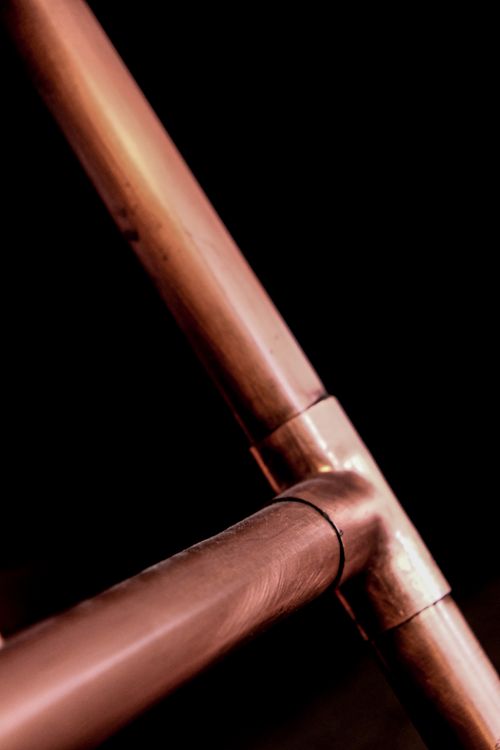
The failure types vary by material. Copper pipes develop pinhole cracks and split seams — often small enough that the leak is slow rather than dramatic. CPVC pipes fracture at fittings and elbows — typically producing sudden, high-volume failures when the crack opens. PEX is more freeze-resistant than copper or CPVC — its flexibility allows some expansion — but PEX fittings (crimp or push-fit) can still crack if exposed water freezes at the joint.
How to Detect Freeze-Related Pipe Damage
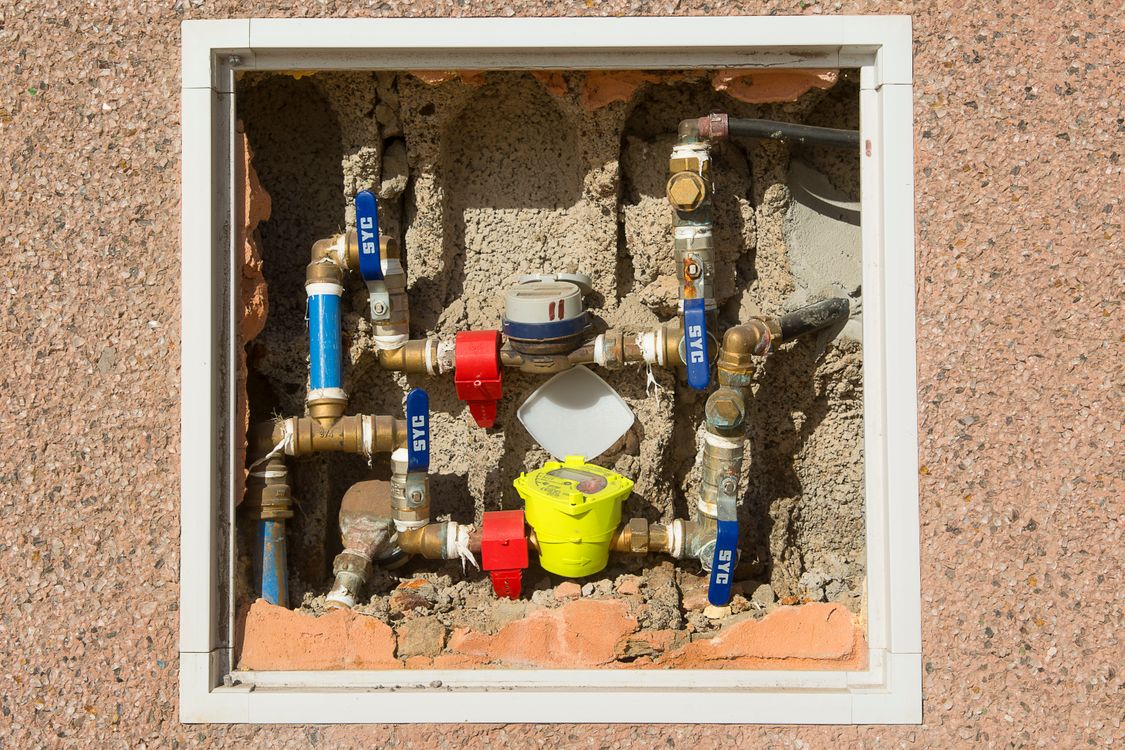
After any significant freeze event, perform a water meter test before assuming your home escaped damage. A slow copper split may not be immediately obvious but will register on the meter within the first few days of thaw as pressure re-establishes.
Professional detection after a freeze is particularly useful when: multiple rooms show reduced pressure; the meter test shows flow but no obvious leak is visible; there is moisture or water staining in walls, ceilings, or floors that appeared after the cold event; or insurance documentation is needed for a post-freeze water damage claim. Acoustic detection locates the damaged pipe section precisely, limiting the drywall or ceiling access needed for repair.
Suspect a leak in your home? Our specialist network covers all 50 states.
(844) 485-0339 — Talk to a Specialist