Morrison County — Minnesota

Leak Detection in Little Falls, Minnesota

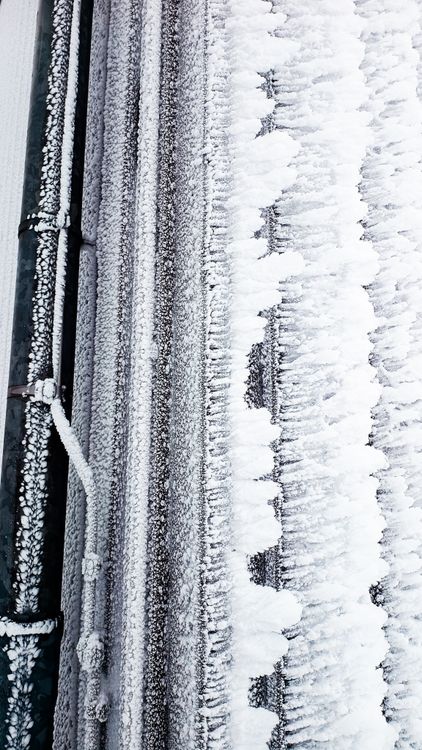
Licensed specialists serving Little Falls, Minnesota homeowners. Freeze-thaw cycles in Little Falls stress supply lines in crawlspaces, exterior walls, and buried runs. Micro-fractures from past freeze events often leak slowly for months before symptoms appear. Professional leak detection confirms whether past cold weather damaged your plumbing before the next billing cycle reveals it. Available 24/7 for emergency response.

💧 Licensed Specialists ⚡ 24/7 Emergency 🔍 Non-Invasive Methods 📋 Pinpoint Accuracy
Little Falls, MN Leak Risk Profile
Leak Risk Index 8/10
Freeze Risk Extreme (10/10)
Soil Movement Moderate (5/10)
Water Pressure High (7/10)
Infra Age Risk Moderate (5/10)
Emergency Line 24/7 Active

Your Little Falls Leak Detection Specialists

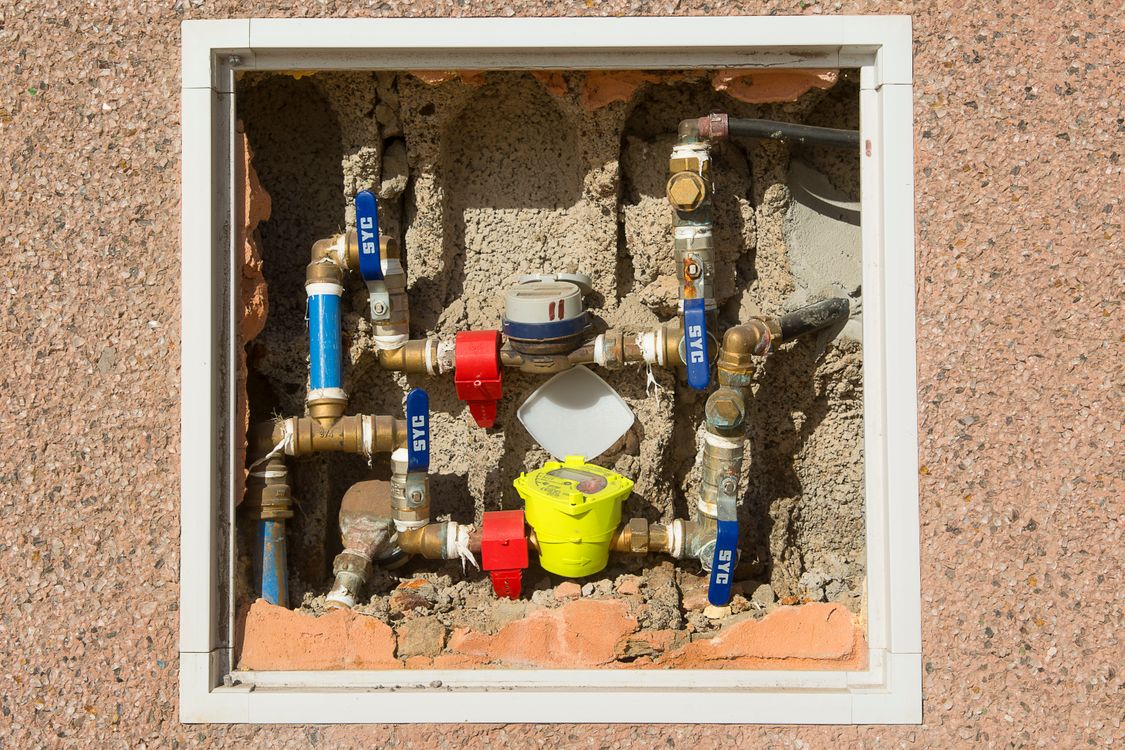
The leak risk in Morrison County isn't limited to the winter months. Pipes that sustain freeze damage often fail progressively through spring and summer as temperature cycling stresses the affected segments. Little Falls homeowners who notice warm floor spots, unexplained water meter activity, or reduced pressure after a freeze event should schedule professional detection before the affected line fails completely.

Water pressure scores 7/10 and infrastructure age scores 5/10 in Morrison County's leak profile for Little Falls. A population of 9,121 in this area means many homeowners carry undetected leaks for months — often because the first symptom is a water bill increase rather than visible damage.
Common Leak Problems in Morrison County

Understanding the leak risks specific to Morrison County helps property owners recognize early warning signs and act before a small leak becomes a costly structural problem.

💰

Water Loss Without Visible Source

Clay soil conditions in Little Falls allow underground and slab leaks to lose significant water without producing surface symptoms. The soil absorbs the loss until saturation — so a homeowner may experience months of elevated bills before a wet spot or foundation crack reveals the problem. A meter test is the fastest way to confirm active water loss.

Watch for: Watch for water bills that are consistently higher than expected with no obvious explanation

🔧

Supply Line Joint Stress

Repeated freeze-thaw cycling loosens threaded and soldered joints in supply lines throughout Little Falls homes. A joint that leaks only under pressure may pass visual inspection between events. Professional acoustic detection during the leak event is the most reliable way to locate joint failures in Morrison County.

Watch for: Watch for intermittent pressure drops that seem to resolve on their own

⛏️

Underground Pipe Joint Displacement

Expansive clay soils in Morrison County push and pull buried pipe runs as moisture levels change through the seasons. The lateral movement displaces joints in older cast-iron, galvanized, and PVC underground lines — creating leaks that saturate the surrounding soil without surfacing for months.

Watch for: Watch for unexplained wet areas in the yard between the street and the foundation in Little Falls

📊

Irrigation Main Failure

Irrigation mainlines in Morrison County are exposed to the full depth of clay soil movement. A buried irrigation leak can lose thousands of gallons per day while appearing as nothing more than an unusually green patch of grass. Professional underground detection locates the breach without excavating the entire line.

Watch for: Watch for isolated green patches in dry conditions or wet areas in the yard without recent rainfall

🏗️

Slab Leak from Soil Movement

Expansive clay soils in Morrison County shrink and swell seasonally, stressing copper supply lines embedded beneath concrete foundations. The cyclic stress bends pipe runs at elbows and fittings until micro-fractures develop. Slab leaks in Little Falls are most common in homes built on high-shrink-swell Vertisol clay.

Watch for: Watch for warm or wet spots on concrete floors — especially in bathrooms and kitchens

💰

Unexplained Water Bill Increase

A slab leak loses water 24 hours a day regardless of household usage. In Little Falls, a moderate slab leak can add hundreds of gallons per day to water consumption — producing a bill increase that arrives before any visible damage. If your water usage increased without a clear explanation, professional leak detection should be the first step.

Watch for: Watch for water bill increases that persist for multiple billing cycles in Little Falls

Leak Detection Services for Morrison County

Licensed leak detection specialists serving Little Falls and Morrison County use non-invasive methods across all leak types — from slab leaks and underground pipe failures to hidden wall leaks and emergency responses.

⛏️

Underground Leak Detection in Little Falls

Underground leak detection identifies the precise location of breaches in buried supply lines, irrigation mains, and service connections. Non-invasive equipment pinpoints the source without unnecessary digging.

Learn More →
📡

Electronic Leak Detection in Little Falls

Electronic leak detection uses acoustic amplifiers and pipe correlators to locate leaks in pressurized water lines without breaking walls or digging. Sound analysis identifies the leak location within inches.

Learn More →
🔎

Hidden Leak Detection in Little Falls

Thermal imaging and acoustic detection find hidden leaks in wall cavities, ceiling assemblies, and subfloor spaces — non-invasively. Specialists document the moisture extent before recommending targeted access points.

Learn More →
🚿

Water Leak Detection in Little Falls

Water leak detection services cover all plumbing zones — from meter to fixture. Specialists document the leak location and pressure loss before recommending a targeted repair approach.

Learn More →
🚨

Emergency Leak Detection in Little Falls

Emergency leak detection responds to active water loss events — unexplained pressure drops, sudden spikes in water usage, and structural wet spots. Specialists dispatch rapidly to identify the source and stop ongoing damage.

Learn More →
🔧

Pipe Leak Detection in Little Falls

Professional pipe leak detection covers copper, galvanized, CPVC, PEX, and polybutylene supply lines. Acoustic and electronic methods locate the leak segment accurately before any pipe access is required.

Learn More →

The Detection Process for Morrison County Homes

Professional leak detection in Little Falls follows a structured process — from initial meter test through confirmed location report — so repair work is targeted, not exploratory.

1

Call & Dispatch

Call (844) 485-0339 to reach a dispatcher who connects you with a licensed leak detection specialist in Little Falls. Available 24/7 for emergency response throughout Morrison County.

2

Initial Assessment

The specialist reviews your symptoms — water bill history, meter activity, visible signs — and identifies the most likely leak zones in your Morrison County property before equipment is deployed.

3

Meter & Pressure Test

A meter isolation test confirms active water loss and quantifies the leak rate. Pressure testing isolates the affected supply zone — narrowing the detection area before acoustic or thermal scanning begins.

4

Non-Invasive Detection

Because freeze-thaw stress in Little Falls can leave micro-fractures anywhere along a supply run, specialists isolate zones one at a time with acoustic testing rather than guessing at a single suspect section.

5

Leak Location Report

The specialist documents the confirmed leak location with measurements, depth estimates, and recommended access points. Little Falls homeowners receive a clear report before any repair contractor is engaged.

6

Repair Referral & Follow-Up

Once the leak is located, we connect you with a licensed plumber or repair contractor in Morrison County. A post-repair leak check confirms the source has been resolved and no secondary leaks remain.

Call (844) 485-0339 No obligation · Available 24/7 in Little Falls

The Hidden Cost of Undetected Leaks in Morrison County

Freeze damage around Little Falls rarely announces itself right away — a supply line stressed during a cold snap can hold for days before it finally gives way. Morrison County homeowners who skip a post-freeze inspection often only learn about the damage once the water bill arrives.

Without a confirmed leak location, repair in Little Falls turns into guesswork — plumbers open access points based on probability, not certainty. A detection report gives the contractor an exact target, which keeps labor time and demolition scope down for Morrison County homeowners.

Non-invasive detection methods used in Little Falls — acoustic correlation, thermal imaging, and electronic line tracing — locate leaks without breaking walls, lifting floors, or digging. The detection visit produces a documented location report that guides the repair contractor directly to the source. For Morrison County homeowners, this means lower repair costs, less property disruption, and faster resolution.

Ready to Find Your Little Falls Leak?

Leak detection in Morrison County eliminates the guesswork that makes pipe repairs unnecessarily expensive. A confirmed location report gives your repair contractor a precise target — reducing labor, limiting demolition, and getting your Little Falls home back to normal faster.

Frequently Asked Questions — Little Falls Leak Detection

Leak Risks & Pipe Profile in Minnesota

Key facts Little Falls homeowners should know about local plumbing vulnerabilities and the most common leak types before a problem develops.

Property Vulnerability Factors

  • Polar vortex extreme cold pipe protection

  • Aging galvanized pipe in Twin Cities pre-war neighborhoods

  • Spring thaw water main break pressure surges

  • Basement freeze-related water intrusion

Pipe & Leak Profile

Most Common Leak Type

Underground service line freeze failure

Secondary Leak Type

Water main break from polar vortex events and aging cast iron

Peak Season

January-March (peak freeze); March-April (spring thaw reveals damage)

Legacy Pipe Risk

galvanized (pre-1960), lead (pre-1950 Twin Cities)

Leak Detection Resources for Little Falls Homeowners

Expert leak detection guides relevant to the conditions Little Falls property owners face — from reading your water meter to understanding slab leaks, pipe materials, and insurance coverage.

Leak Detection Service Area — Little Falls, Minnesota

We serve Little Falls and surrounding communities throughout Minnesota. View our local coverage area below.

ZIP Codes Served: 56345

Cities Near Little Falls We Also Serve

Our leak detection network serves Little Falls and communities throughout Minnesota. Click any city to see local leak detection service information.