The Short Answer — and Why It's More Complicated Than It Sounds
Standard HO-3 homeowners insurance policies cover 'sudden and accidental' water damage. A slab leak that bursts and causes immediate flooding is likely covered under that language. A slow slab leak that has been active for months before discovery is likely not — because insurers classify prolonged leaks as a maintenance issue rather than a sudden event.
The distinction matters enormously. The same pipe, the same leak, the same home — but discovery timing determines coverage. A homeowner who acts the day they notice signs and calls a detection specialist immediately is positioned for a valid claim. A homeowner who dismissed signs for six months before acting faces a claim denial on the grounds of neglect. This is why early detection isn't just about stopping damage — it's about preserving your insurance position.
What Standard HO-3 Policies Typically Cover
Coverage varies by insurer and policy, but these are the components most standard HO-3 policies address:
- Sudden water damage from the leak — Water damage to flooring, walls, drywall, cabinetry, and personal property caused by a sudden slab leak event is typically covered under Coverage A (dwelling) and Coverage C (personal property), subject to your deductible.
- Leak detection cost — sometimes — Some policies, particularly those with water damage endorsements, cover the cost of professional leak detection as part of the claim. The detection report itself is often required documentation for the claim to proceed.
- Access to the leak — sometimes — The cost of opening the slab (concrete cutting) to access the leak point is covered by some policies under 'tear-out' or 'access' provisions. This is not standard — check your policy's water damage section specifically.
- What is rarely covered — The repair of the pipe itself is almost never covered. Insurers cover resulting damage, not the source of the damage. The pipe replacement or rerouting is typically your cost regardless of policy.
The detection report from a licensed specialist is the documentation your insurer needs to process a slab leak claim. Do not begin any repair before the detection is documented and the adjuster has been notified.
The Sudden vs. Gradual Leak Problem
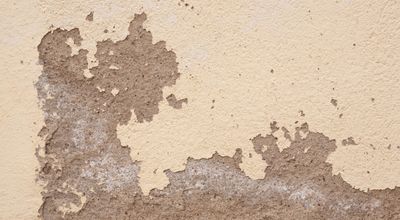
The most common reason slab leak claims are denied is the insurer's determination that the leak was 'gradual' rather than 'sudden.' Insurers look at the physical evidence: moisture staining that covers a large area suggests weeks or months of slow seepage. Mold growth in wall cavities above the slab indicates prolonged moisture. Extensive soil movement under the foundation points to a long-running leak.
If your detection report and the adjuster's inspection show signs consistent with a prolonged leak, the insurer has grounds to deny the claim — or to reduce coverage significantly. This is why monitoring your water bill and acting immediately at the first sign of a problem isn't just good maintenance practice — it's claims protection.
How to Handle a Slab Leak Claim Correctly
The moment you suspect a slab leak, call your insurer to report the potential claim before any repair work begins. Then call a licensed leak detection specialist. The detection appointment produces a written report documenting the leak location, pipe type, and estimated flow rate — this is the primary evidence for your claim.
Do not let a plumber cut concrete before the adjuster approves or before you have documented the pre-repair condition with photos and the detection report. Premature repair can eliminate the evidence the adjuster needs and give the insurer grounds to reduce or deny coverage. Your detection specialist and adjuster should both see the marked leak location before any access work begins.
Suspect a leak in your home? Our specialist network covers all 50 states.
(844) 485-0339 — Talk to a Specialist