Greene County — Indiana

Leak Detection in Bloomfield, Indiana

Licensed specialists serving Bloomfield, Indiana homeowners. Episodic hard freezes in Bloomfield create pipe stress that produces slow leaks weeks or months after the cold event passes. If your water bill increased after last winter without explanation, professional detection can confirm whether freeze damage is the cause. Available 24/7 for emergency response.

💧 Licensed Specialists ⚡ 24/7 Emergency 🔍 Non-Invasive Methods 📋 Pinpoint Accuracy
Bloomfield, IN Leak Risk Profile
Leak Risk Index 6/10
Freeze Risk High (7/10)
Soil Movement Moderate (5/10)
Water Pressure Low (4/10)
Infra Age Risk High (7/10)
Emergency Line 24/7 Active

Licensed Leak Detection Professionals in Bloomfield, Indiana

Hidden leaks in Bloomfield can go undetected for months while water waste and structural moisture accumulate behind walls and beneath floors. Greene County property owners who notice unexplained increases in their water bill, warm or wet spots on floors, or damp odors without a visible source should schedule professional leak detection before the damage scope widens.

Bloomfield has a leak risk index of 6/10, driven by the plumbing conditions common in Greene County. Undetected supply line leaks waste an average of 2,000–20,000 gallons per month depending on breach size — making professional leak detection one of the most cost-effective services a property owner can schedule.
Local Leak Risk Factors in Bloomfield, Indiana

Understanding the leak risks specific to Greene County helps property owners recognize early warning signs and act before a small leak becomes a costly structural problem.

🔧

Supply Line Joint Stress

Repeated freeze-thaw cycling loosens threaded and soldered joints in supply lines throughout Bloomfield homes. A joint that leaks only under pressure may pass visual inspection between events. Professional acoustic detection during the leak event is the most reliable way to locate joint failures in Greene County.

Watch for: Watch for intermittent pressure drops that seem to resolve on their own

🔧

Copper Line Corrosion in Concrete

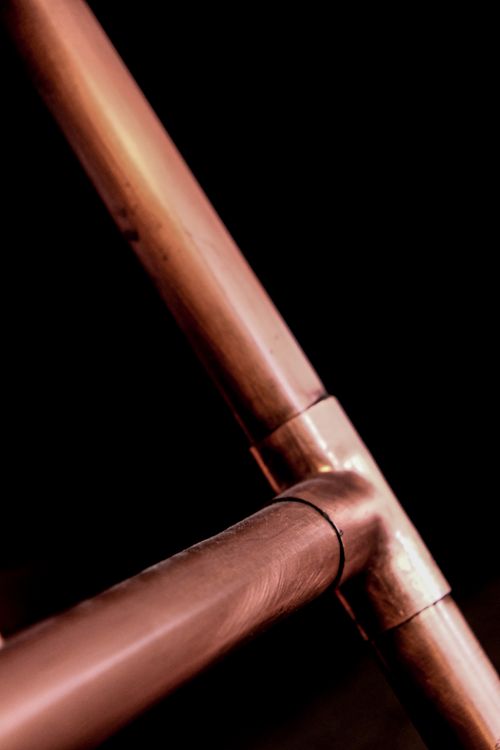
Copper supply lines embedded in Greene County's alkaline concrete are exposed to a corrosive environment at contact points. Over time, pitting corrosion creates pinhole failures in the pipe wall. In Bloomfield's older slab-on-grade construction, corrosion-driven slab leaks are as common as soil movement-driven failures.

Watch for: Watch for discolored water or reduced hot water flow as early corrosion indicators

Freeze-Thaw Micro-Fracture Damage

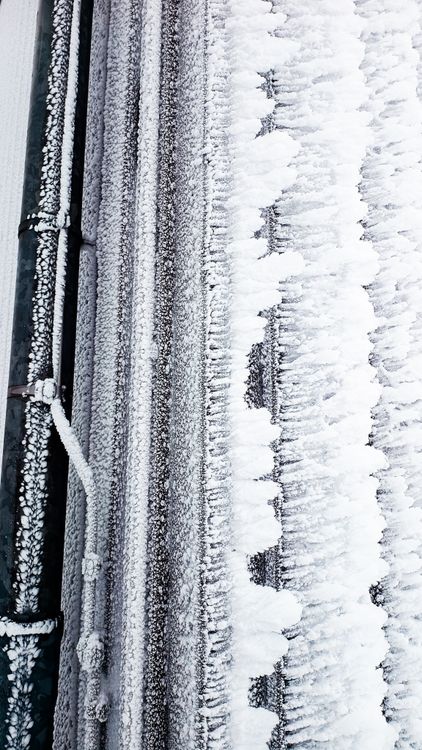
Pipes that survive a freeze without bursting may still sustain micro-fractures from the expansion stress. These fractures develop into slow leaks during subsequent warm periods. Bloomfield homes with copper or galvanized supply lines near exterior walls are most vulnerable to this progressive failure pattern.

Watch for: Watch for slowly increasing water bills in the weeks following a freeze event

💧

Crawlspace Condensation and Drip Leaks

In Greene County, crawlspace plumbing is exposed to temperature swings that cause condensation-related corrosion and slow drip failures at fitting connections. These leaks develop gradually and cause wood rot and mold in floor joist assemblies before they become large enough to affect water pressure.

Watch for: Watch for musty odor or soft flooring spots above the crawlspace in Bloomfield homes

💧

Hidden Supply Line Leaks

Supply line leaks inside walls and under floors in Bloomfield produce no visible surface symptoms until the surrounding material is already moisture-saturated. Greene County homeowners with unexplained bill increases or damp odors should schedule professional detection — acoustic and thermal methods locate the source without opening walls.

Watch for: Watch for water bills that increase without a corresponding change in usage in Bloomfield

🔎

Wall Cavity and Ceiling Leaks

Leaks from supply lines and drain connections inside Bloomfield walls produce moisture that migrates through structural cavities before reaching visible surfaces. By the time paint bubbles or baseboards swell in Greene County homes, the surrounding cavity may have been wet for weeks. Thermal imaging locates the source non-invasively.

Watch for: Watch for paint bubbling or soft drywall with no identifiable surface water source

What We Detect in Bloomfield, Indiana

Licensed leak detection specialists serving Bloomfield and Greene County use non-invasive methods across all leak types — from slab leaks and underground pipe failures to hidden wall leaks and emergency responses.

🚨

Emergency Leak Detection in Bloomfield

When a leak is actively damaging your property, rapid professional detection locates the source so repair can begin immediately. Emergency dispatch connects you with a licensed specialist available 24/7.

Learn More →
📡

Electronic Leak Detection in Bloomfield

Electronic leak detection is the most accurate non-invasive method for supply line leaks. Correlators and contact microphones combine to locate the breach within inches regardless of depth or pipe material.

Learn More →
🔎

Hidden Leak Detection in Bloomfield

Hidden leaks inside walls, under floors, and above ceilings cause ongoing structural damage before they become visible. Thermal imaging and moisture mapping identify leak locations and affected areas without destructive opening.

Learn More →
🚿

Water Leak Detection in Bloomfield

Undetected water leaks waste thousands of gallons and cause structural damage before becoming visible. Professional water leak detection locates the source using non-invasive acoustic and thermal equipment.

Learn More →
🏠

Residential Leak Detection in Bloomfield

Residential leak detection services include a full property assessment — checking meter activity, supply line pressure, slab zones, and wall cavities to identify all active leak sources before repair begins.

Learn More →
🔧

Pipe Leak Detection in Bloomfield

Pipe leak detection identifies the source of supply line failures — whether from corrosion, freeze damage, joint failure, or pressure stress. Specialists use acoustic and pressure testing to isolate the defective segment.

Learn More →

Leak Detection Steps for Bloomfield Homeowners

Professional leak detection in Bloomfield follows a structured process — from initial meter test through confirmed location report — so repair work is targeted, not exploratory.

1

Call & Dispatch

Call (844) 485-0339 to reach a dispatcher who connects you with a licensed leak detection specialist in Bloomfield. Available 24/7 for emergency response throughout Greene County.

2

Initial Assessment

The specialist reviews your symptoms — water bill history, meter activity, visible signs — and identifies the most likely leak zones in your Greene County property before equipment is deployed.

3

Meter & Pressure Test

A meter isolation test confirms active water loss and quantifies the leak rate. Pressure testing isolates the affected supply zone — narrowing the detection area before acoustic or thermal scanning begins.

4

Non-Invasive Detection

In Bloomfield's cold climate, freeze-damaged supply lines often require acoustic isolation testing to confirm which segment was affected. Specialists identify the compromised zone before any pipe access or repair begins.

5

Leak Location Report

The specialist documents the confirmed leak location with measurements, depth estimates, and recommended access points. Bloomfield homeowners receive a clear report before any repair contractor is engaged.

6

Repair Referral & Follow-Up

Once the leak is located, we connect you with a licensed plumber or repair contractor in Greene County. A post-repair leak check confirms the source has been resolved and no secondary leaks remain.

Call (844) 485-0339 No obligation · Available 24/7 in Bloomfield

Early Detection Saves Bloomfield Property Owners Money

In Bloomfield, freeze events create pipe damage that isn't always immediately visible. A supply line that sustained micro-fractures during a cold snap may hold pressure for days before the fracture propagates into a steady leak. Without professional detection, Greene County homeowners often don't discover the damage until the next billing cycle — by which time the leak has been running for weeks.

Older plumbing in Greene County means that many Bloomfield homes carry multiple degraded pipe segments — not just the one that's currently leaking. Professional detection maps the full scope of active water loss so homeowners can make informed repair decisions rather than addressing one leak at a time while others develop.

Specialists serving Bloomfield rely on acoustic correlation, thermal imaging, and electronic tracing — none of which require opening a wall, lifting a floor, or digging a trench to confirm a leak location. The resulting report sends the repair contractor straight to the source, which for Greene County homeowners means less disruption and a faster fix.

Greene County Property Owners — We Are Ready

If your water meter moves with all fixtures off, your bills have increased without explanation, or you've noticed warm floor spots or damp odors in your Bloomfield home, professional leak detection is the fastest way to confirm the source and scope of the problem.

Frequently Asked Questions — Bloomfield Leak Detection

Leak Risks & Pipe Profile in Indiana

Key facts Bloomfield homeowners should know about local plumbing vulnerabilities and the most common leak types before a problem develops.

Property Vulnerability Factors

Pipe & Leak Profile

Most Common Leak Type

Freeze-related pipe burst

Leak Detection Resources for Bloomfield Homeowners

Expert leak detection guides relevant to the conditions Bloomfield property owners face — from reading your water meter to understanding slab leaks, pipe materials, and insurance coverage.

Leak Detection Service Area — Bloomfield, Indiana

We serve Bloomfield and surrounding communities throughout Indiana. View our local coverage area below.

ZIP Codes Served: 47424

Cities Near Bloomfield We Also Serve

Our leak detection network serves Bloomfield and communities throughout Indiana. Click any city to see local leak detection service information.