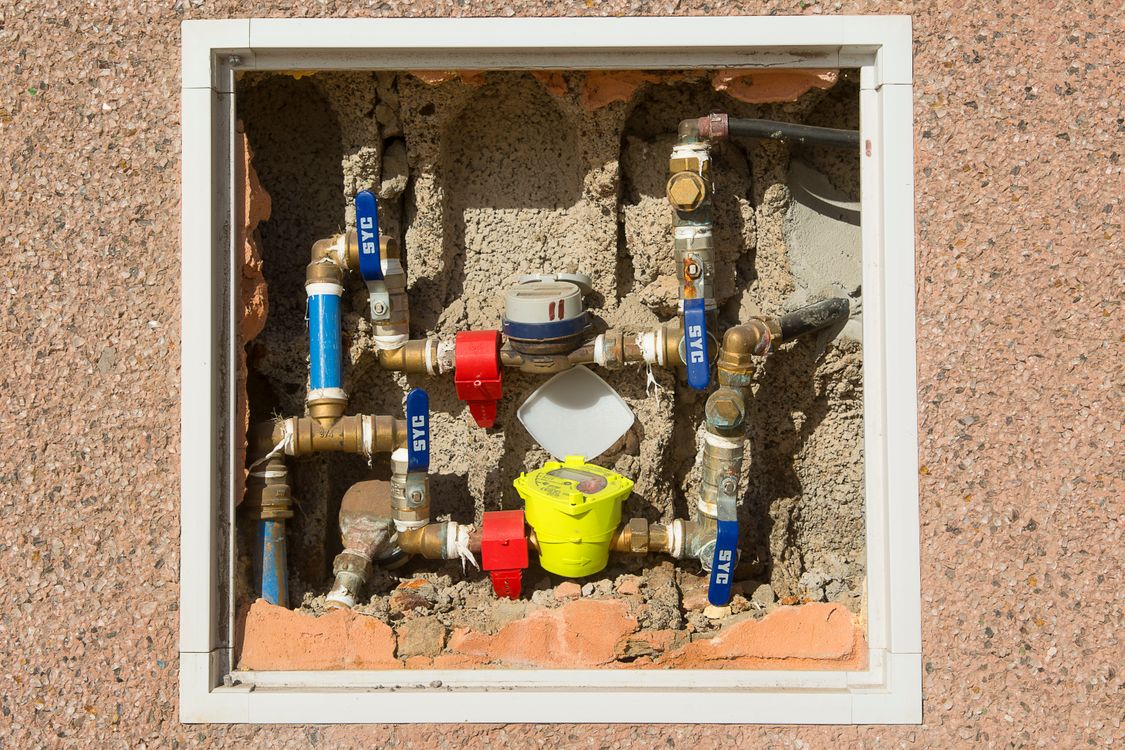
Mesa County — Colorado

Leak Detection in Grand Junction, Colorado

Licensed specialists serving Grand Junction, Colorado homeowners. Freeze-thaw cycles in Grand Junction stress supply lines in crawlspaces, exterior walls, and buried runs. Micro-fractures from past freeze events often leak slowly for months before symptoms appear. Professional leak detection confirms whether past cold weather damaged your plumbing before the next billing cycle reveals it. Available 24/7 for emergency response.

💧 Licensed Specialists ⚡ 24/7 Emergency 🔍 Non-Invasive Methods 📋 Pinpoint Accuracy
Grand Junction, CO Leak Risk Profile
Leak Risk Index 6/10
Freeze Risk Extreme (10/10)
Soil Movement High (7/10)
Water Pressure High (7/10)
Infra Age Risk Moderate (5/10)
Emergency Line 24/7 Active

Local Leak Detection Service — Grand Junction, Colorado

Grand Junction properties lose water to hidden leaks in supply lines, slab penetrations, and underground service connections that standard visual inspections cannot reach. Mesa County leak detection specialists use calibrated equipment to locate breaches accurately — giving homeowners a clear picture of the problem and what's required to fix it.

Water pressure scores 7/10 and infrastructure age scores 5/10 in Mesa County's leak profile for Grand Junction. A population of 140,777 in this area means many homeowners carry undetected leaks for months — often because the first symptom is a water bill increase rather than visible damage.
Leak Concerns for Grand Junction Homeowners

Understanding the leak risks specific to Mesa County helps property owners recognize early warning signs and act before a small leak becomes a costly structural problem.

Freeze-Thaw Micro-Fracture Damage

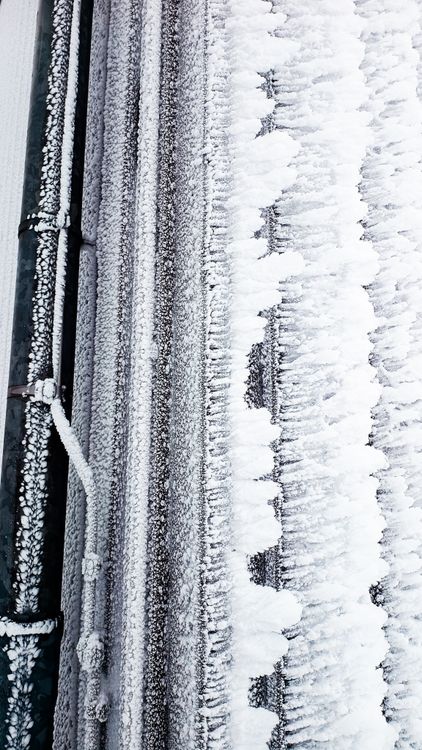
Pipes that survive a freeze without bursting may still sustain micro-fractures from the expansion stress. These fractures develop into slow leaks during subsequent warm periods. Grand Junction homes with copper or galvanized supply lines near exterior walls are most vulnerable to this progressive failure pattern.

Watch for: Watch for slowly increasing water bills in the weeks following a freeze event

🏗️

Slab Foundation Pipe Stress

Clay soil movement in Grand Junction applies ongoing stress to slab-embedded supply lines. The seasonal expansion-contraction cycle bends copper runs at elbows and fittings until a micro-fracture develops. Once started, slab leaks in Mesa County's clay soil conditions tend to worsen progressively.

Watch for: Watch for warm floor zones near plumbing penetrations in slab-on-grade Grand Junction homes

💰

Water Loss Without Visible Source

Clay soil conditions in Grand Junction allow underground and slab leaks to lose significant water without producing surface symptoms. The soil absorbs the loss until saturation — so a homeowner may experience months of elevated bills before a wet spot or foundation crack reveals the problem. A meter test is the fastest way to confirm active water loss.

Watch for: Watch for water bills that are consistently higher than expected with no obvious explanation

🧊

Freeze-Related Pipe Burst

Supply lines in unheated crawlspaces, garages, and exterior wall cavities freeze during extended cold snaps in Mesa County. A burst pipe can release significant water volume before the source is identified. Freeze events often cause leaks that don't fully reveal themselves until the pipe thaws.

Watch for: Watch for reduced pressure in a specific zone after freezing temperatures in Grand Junction

⛏️

Underground Service Line Failure

The buried service line connecting Grand Junction homes to the municipal water main runs through the same expansive clay soil as the slab. Soil movement in Mesa County stresses the service line at joints and directional changes. A service line leak produces the same meter activity as a slab leak but is located outside the foundation.

Watch for: Watch for wet spots in the yard between the meter box and the foundation

📊

Irrigation Main Failure

Irrigation mainlines in Mesa County are exposed to the full depth of clay soil movement. A buried irrigation leak can lose thousands of gallons per day while appearing as nothing more than an unusually green patch of grass. Professional underground detection locates the breach without excavating the entire line.

Watch for: Watch for isolated green patches in dry conditions or wet areas in the yard without recent rainfall

Leak Detection Services for Grand Junction Homeowners

Licensed leak detection specialists serving Grand Junction and Mesa County use non-invasive methods across all leak types — from slab leaks and underground pipe failures to hidden wall leaks and emergency responses.

⛏️

Underground Leak Detection in Grand Junction

Underground leak detection identifies the precise location of breaches in buried supply lines, irrigation mains, and service connections. Non-invasive equipment pinpoints the source without unnecessary digging.

Learn More →
📡

Electronic Leak Detection in Grand Junction

Electronic leak detection uses acoustic amplifiers and pipe correlators to locate leaks in pressurized water lines without breaking walls or digging. Sound analysis identifies the leak location within inches.

Learn More →
🔎

Hidden Leak Detection in Grand Junction

Thermal imaging and acoustic detection find hidden leaks in wall cavities, ceiling assemblies, and subfloor spaces — non-invasively. Specialists document the moisture extent before recommending targeted access points.

Learn More →
🚿

Water Leak Detection in Grand Junction

Water leak detection services cover all plumbing zones — from meter to fixture. Specialists document the leak location and pressure loss before recommending a targeted repair approach.

Learn More →
🚨

Emergency Leak Detection in Grand Junction

Emergency leak detection responds to active water loss events — unexplained pressure drops, sudden spikes in water usage, and structural wet spots. Specialists dispatch rapidly to identify the source and stop ongoing damage.

Learn More →
🔧

Pipe Leak Detection in Grand Junction

Professional pipe leak detection covers copper, galvanized, CPVC, PEX, and polybutylene supply lines. Acoustic and electronic methods locate the leak segment accurately before any pipe access is required.

Learn More →

What to Expect from Leak Detection in Grand Junction

Professional leak detection in Grand Junction follows a structured process — from initial meter test through confirmed location report — so repair work is targeted, not exploratory.

1

Call & Dispatch

Call (844) 485-0339 to reach a dispatcher who connects you with a licensed leak detection specialist in Grand Junction. Available 24/7 for emergency response throughout Mesa County.

2

Initial Assessment

The specialist reviews your symptoms — water bill history, meter activity, visible signs — and identifies the most likely leak zones in your Mesa County property before equipment is deployed.

3

Meter & Pressure Test

A meter isolation test confirms active water loss and quantifies the leak rate. Pressure testing isolates the affected supply zone — narrowing the detection area before acoustic or thermal scanning begins.

4

Non-Invasive Detection

Because freeze-thaw stress in Grand Junction can leave micro-fractures anywhere along a supply run, specialists isolate zones one at a time with acoustic testing rather than guessing at a single suspect section.

5

Leak Location Report

The specialist documents the confirmed leak location with measurements, depth estimates, and recommended access points. Grand Junction homeowners receive a clear report before any repair contractor is engaged.

6

Repair Referral & Follow-Up

Once the leak is located, we connect you with a licensed plumber or repair contractor in Mesa County. A post-repair leak check confirms the source has been resolved and no secondary leaks remain.

Call (844) 485-0339 No obligation · Available 24/7 in Grand Junction

Why Grand Junction Homeowners Choose Professional Detection

In Grand Junction, freeze events create pipe damage that isn't always immediately visible. A supply line that sustained micro-fractures during a cold snap may hold pressure for days before the fracture propagates into a steady leak. Without professional detection, Mesa County homeowners often don't discover the damage until the next billing cycle — by which time the leak has been running for weeks.

Professional detection in Grand Junction eliminates guesswork from the repair process. Without knowing the exact leak location, plumbers must open multiple access points or make educated guesses about pipe routing. A confirmed detection report gives the repair contractor a precise target — reducing labor time, repair scope, and total cost for Mesa County homeowners.

Specialists serving Grand Junction rely on acoustic correlation, thermal imaging, and electronic tracing — none of which require opening a wall, lifting a floor, or digging a trench to confirm a leak location. The resulting report sends the repair contractor straight to the source, which for Mesa County homeowners means less disruption and a faster fix.

Start with a Call — Grand Junction, Colorado

Leak detection in Mesa County eliminates the guesswork that makes pipe repairs unnecessarily expensive. A confirmed location report gives your repair contractor a precise target — reducing labor, limiting demolition, and getting your Grand Junction home back to normal faster.

Frequently Asked Questions — Grand Junction Leak Detection

Leak Risks & Pipe Profile in Colorado

Key facts Grand Junction homeowners should know about local plumbing vulnerabilities and the most common leak types before a problem develops.

Property Vulnerability Factors

  • Crawlspace pipe freeze in mountain homes

  • Post-freeze water damage from burst exterior supply lines

  • Irrigation system winterization failure causing spring leaks

  • CPVC pipe brittleness from extreme daily temperature swings

Pipe & Leak Profile

Most Common Leak Type

Freeze-related pipe burst (crawlspace and exterior supply lines)

Secondary Leak Type

Underground main line leak from bentonite clay soil movement

Peak Season

Late winter to early spring (February-April); occasional severe fall freeze events

Legacy Pipe Risk

CPVC (1985-2000 thermal cycling degradation), galvanized (pre-1960 Denver neighborhoods)

Leak Detection Resources for Grand Junction Homeowners

Expert leak detection guides relevant to the conditions Grand Junction property owners face — from reading your water meter to understanding slab leaks, pipe materials, and insurance coverage.

Leak Detection Service Area — Grand Junction, Colorado

We serve Grand Junction and surrounding communities throughout Colorado. View our local coverage area below.

ZIP Codes Served: 81503, 81506, 81507, 81505, 81504, 81501, 81502

Cities Near Grand Junction We Also Serve

Our leak detection network serves Grand Junction and communities throughout Colorado. Click any city to see local leak detection service information.